

Vermont Solar Power Incentives 2026
If you’re a home or business owner in Vermont, there couldn’t be a better time to go solar. Incentives for transitioning to clean, renewable energy are bigger than ever before and can save you money through every stage of the process, from installation to years beyond. Check out 2026 Vermont solar power incentives and tax credit opportunities below.
The 30% federal tax credit for purchased solar panels expired at the end of 2025. But you can still lower your monthly electric cost by installing solar.
Solar Net Metering in Vermont
One of the important Vermont solar power incentives is that all Vermont utilities are required to offer net metering. Net metering compensates you with bill credits for excess electricity generated by your panels and sent to the grid, at the statewide blended residential rate, currently $0.2071/kWh.
Systems that apply on or after August 1, 2026 have a $0.05/kWh siting adjustment subtracted from everything they produce. Keeping your renewable energy certificates (RECs) instead of transferring them to your utility lowers your credit by another $0.04/kWh, so most homeowners transfer them.
If your system exports more than you use in each month, that excess rolls over as credit for future bills. Credits expire after one year. But since you’ll always use the oldest ones first, this is rarely an issue if your system is sized correctly. If your system is sized larger than your annual usage, you can also join a group and allocate a percentage of your credits to other members as they’re earned.
Selling your RECs
Vermont is part of ISO New England, the regional grid operator for New England. So if you keep your RECs, you can sell them in the Massachusetts renewable energy credit market. To qualify, your system needs a revenue-grade meter. Its production has to be reported to the New England Power Pool (NEPOOL) by an approved third-party reporter.
Each system also needs Massachusetts certification and an account with the NEPOOL Generation Information System (GIS). It issues and tracks all RECs in New England.
Since keeping your RECs lowers your net metering credit by $0.04/kWh, selling them only pays off if REC prices are higher than that after any reporting fees.
Tax Exemptions
Vermont offers two exemptions that lower the overall cost of going solar:
- The solar sales tax exemption means you pay no sales tax on a new system, saving at least 6% of your system cost.
- The solar property tax exemption means the added value solar brings to your home won’t increase your property taxes, for systems under 50 kW.
Battery Storage Incentives
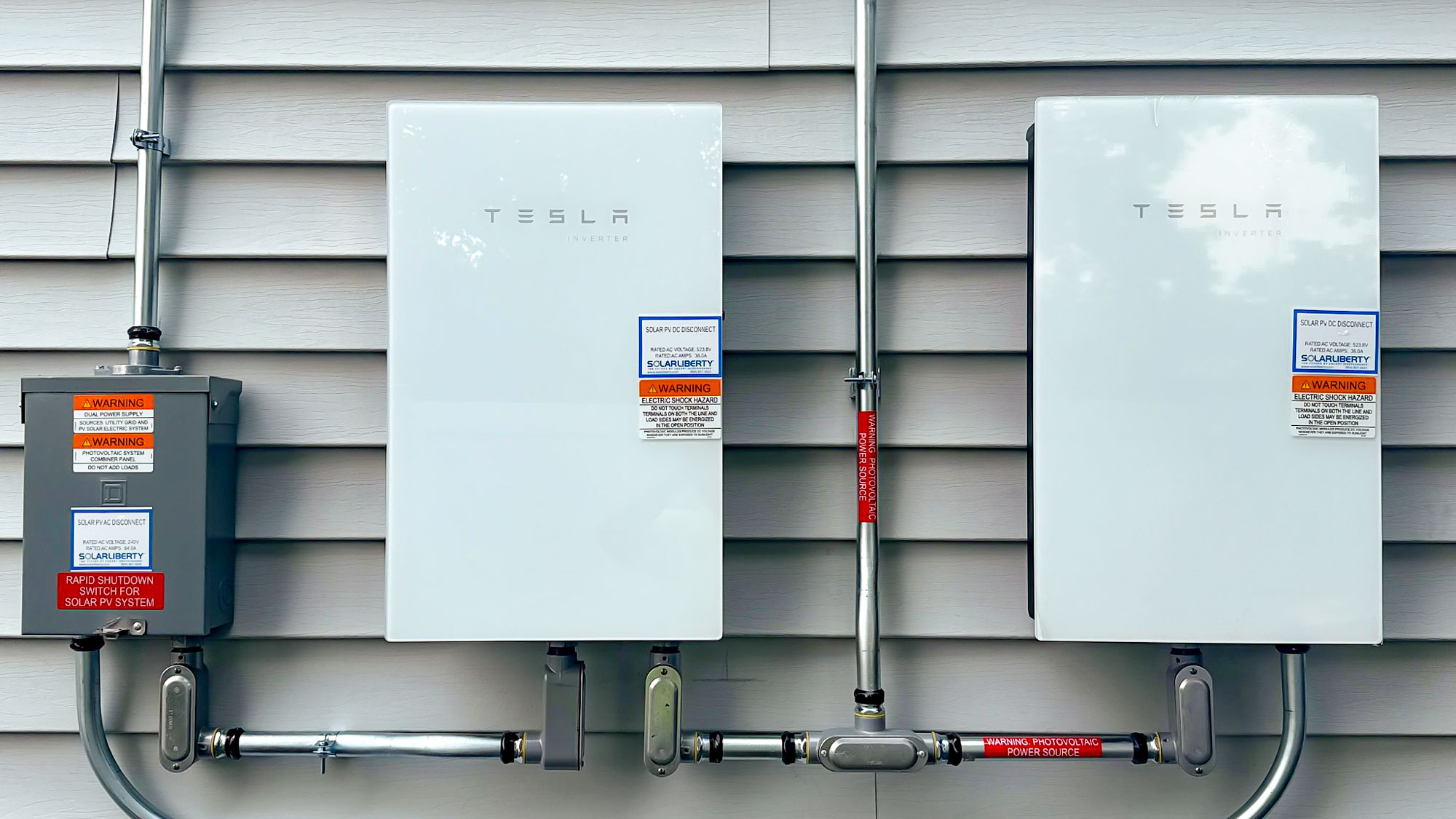
Green Mountain Power, Vermont’s largest utility, offers two programs to bring down the cost of energy storage:
- The Bring Your Own Device (BYOD) program pays you for sharing stored energy during peak demand times, up to $10,500. You’ll earn $850 per kW for a three-hour supply or $950 per kW for a four-hour supply, plus an additional $100 per kW if you’re adding storage to an existing solar system in a high-benefit area
- The energy storage program lets you lease two Tesla or Enphase batteries for 10 years for $55/month or a one-time $5,500 payment, in exchange for giving GMP control of your battery during peak events
Keep in mind that both programs give GMP access to your battery during peak events, which happen several times a month. So you’ll have less stored energy on hand right after one.
Contact Us
Vermont has plenty of solar power incentives to give you the confidence to take the next step in going solar. Solar Liberty services the State of Vermont with crews operating out of Burlington, Colchester, Essex and Rutland. Tell us more about you via the links below.
Contact Us
FAQs
Are solar panels worth it in VT?
For most homeowners, yes. Vermont’s electricity rates are higher than the national average. Net metering, tax exemptions, and GMP’s battery programs help make up for the loss.
Are there ways to get free solar panels in VT?
There’s no program that gives away solar panels in Vermont. The state’s Solar for All program for low-income households has been paused since August 2025, after its federal funding was terminated.
How much time will it take for solar to pay itself in Vermont?
Most estimates put payback for a purchased system at around 11 to 13 years, now that the federal tax credit has expired. Your timeline depends on your system size, how much sun your roof gets, your utility’s rates, and whether you keep or transfer your RECs. Since panels last 25 years or more, that still leaves over a decade of savings.
How does net metering work in Vermont for solar power?
Your utility tracks the electricity your panels send to the grid and the electricity you pull from it. Solar power that covers your own usage offsets your bill at close to your retail rate, and anything extra earns bill credits at the statewide blended residential rate. Credits roll over for 12 months, but they can’t be used toward your monthly customer charge or energy efficiency charge. The Public Utility Commission oversees the program and approves each utility’s net metering rules.
How can I participate in community solar programs in VT?
Vermont doesn’t have a formal community solar program, but group net metering works the same. Customers of the same utility can join a group that shares the output of one solar array, with credits split among each member’s bill. Ask your utility about local projects (Vermont Electric Co-op offers its own community solar option). Alternatively, check the Public Service Department’s resource page for guides on starting a group.


