What Is Net Metering?
October 5th, 2026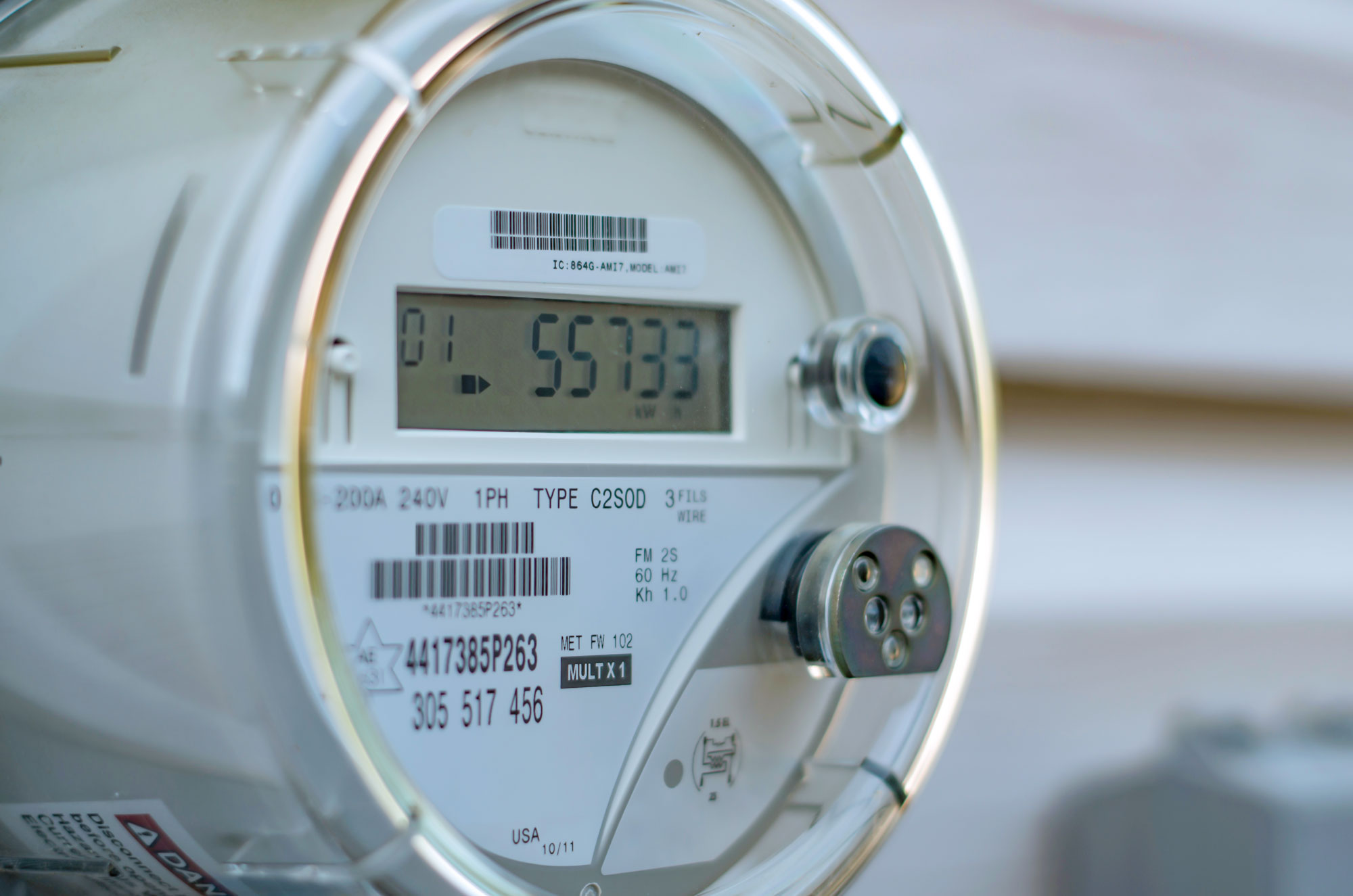
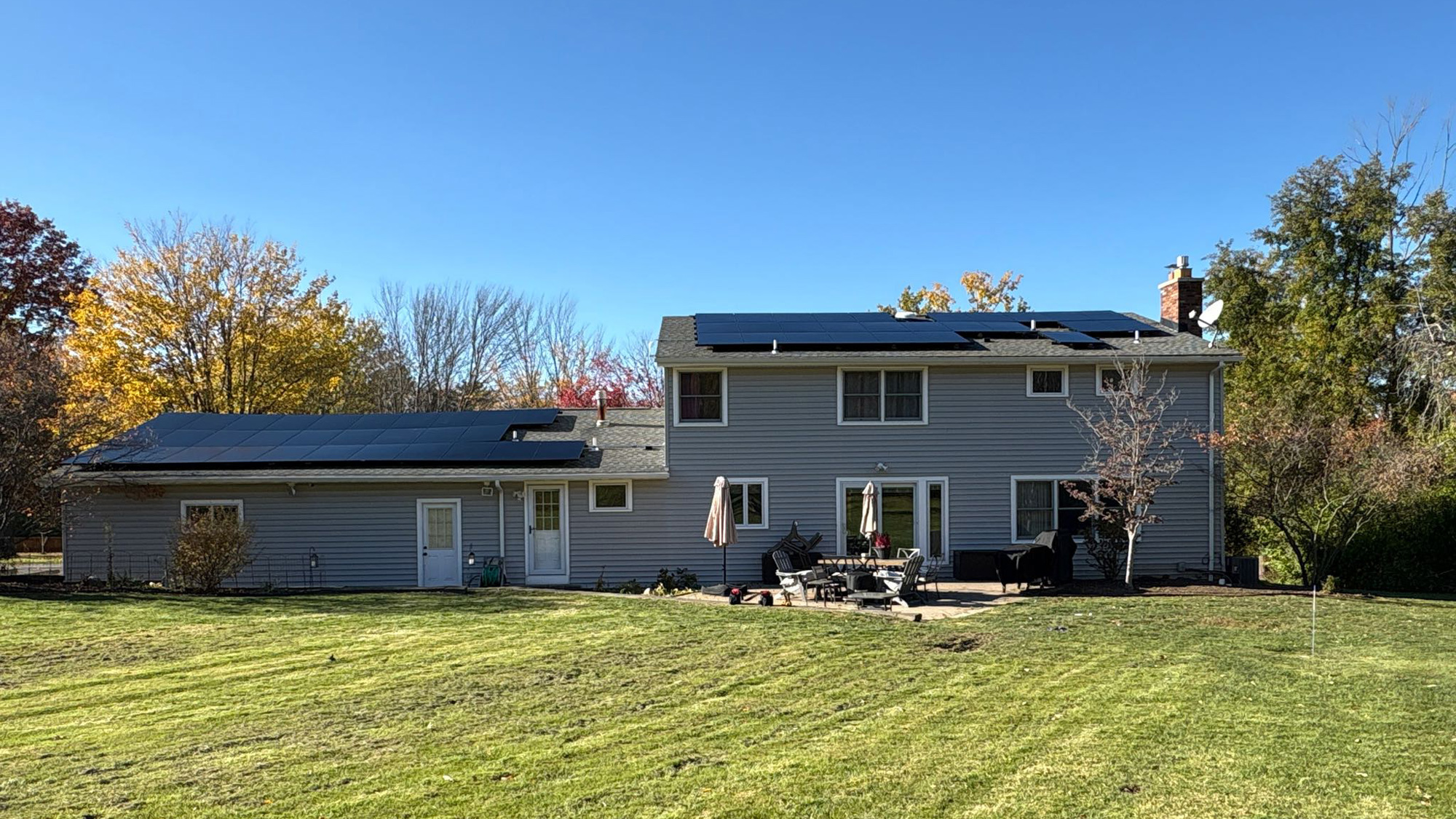
If you’re thinking about reducing your electric bills with solar panels, net metering is one of the most important things to understand. Net metering lets you send the extra energy your solar panels produce to the electric grid and get credit for it. On sunny days, your solar panels make more power than your home needs. That extra energy goes to the grid and earns you bill credits. Then on cloudy or rainy days, you can pull energy back from the grid and use those credits to cover it.
The basics of net metering
When solar panels are installed on your home, the energy they produce gets used by your home first. If your panels make more electricity than you need at that moment, the extra gets sent to the grid, and your meter actually runs in reverse. When you pull power from the grid because of cloudy weather or at night, your meter runs forward like normal. At the end of the month (or sometimes the end of the year), your bill reflects the difference between what you sent to the grid and what you used from it.
Net metering is designed to make solar more accessible for homeowners. It also helps utilities manage costs during times when electricity demand is at its highest.
How will net metering affect your bill?
A lot of people think producing extra electricity means getting a check in the mail. Instead, you earn bill credits that carry over to future bills. Most homeowners build up credits during the long, sunny summer months and use them up over the winter. If your system is sized to match your household’s energy use, you may not have to pay for electricity out of pocket during those low-production months at all.
Just keep in mind that credit values and rules vary by state and utility. Some states credit you at the full retail rate, while others use a lower rate. You’ll also still pay the monthly customer or access fees that most utilities include on your bill, since credits usually can’t be used toward those charges.
Does my state offer net metering?
Good news if you live in New York, Pennsylvania, Ohio, or Vermont: all four states offer net metering. Here’s what you can expect in each one.
New York
New York offers net metering with an additional Customer Benefits Charge. When your panels send extra energy to the grid, you receive a kilowatt-hour credit on your electric bill. This will offset the kWh you use from the grid later on.
Pennsylvania
Residential solar systems up to 50 kW are eligible for net metering in Pennsylvania. Net metering compensates you with bill credits for the extra electricity your panels send to the grid, and you’ll earn the full retail rate set by your utility. Credits roll over from month to month and reset once per year. Whether you’re a customer of FirstEnergy, Duquesne Light, PPL, PECO, or another utility, you can find the details of their net metering program online. For more information, check out the PA PUC AEPS Act page.
Ohio
Ohio homeowners are eligible for net metering and the rules are set statewide for Ohio’s major utilities: Duke Energy Ohio, AEP Ohio, FirstEnergy companies, and AES Ohio. Credits carry forward continuously, so you can bank what you earn in the summer and use it over the winter. Extra energy is credited at your utility’s energy rate, which is lower than the full retail rate since credits don’t cover distribution or transmission charges. Rates and details vary by utility, so it’s a good idea to check your utility’s program online.
Vermont
All Vermont utilities are required to offer net metering. Solar power that covers your own usage offsets your bill at close to your retail rate. Anything extra earns bill credits at the statewide blended residential rate, currently $0.2071/kWh. Here are a few things to know:
- Systems that apply on or after August 1, 2026 have a $0.05/kWh siting adjustment subtracted from everything they produce.
- Keeping your renewable energy certificates (RECs) instead of transferring them to your utility lowers your credit by another $0.04/kWh, so most homeowners transfer them.
- Credits expire after one year. But since you’ll always use your oldest credits first, this is rarely an issue if your system is sized correctly.
- Credits can’t be used toward your monthly customer charge or energy efficiency charge.
- If your system produces more than you use in a year, you can join a group and share a percentage of your credits with other members as they’re earned.
Save on electric bills with Solar Liberty
Ready to start earning credits with net metering in NY, PA, OH, or VT? Solar Liberty has 23 years of experience helping homeowners go solar and take control of their energy bills. We’ll help you find the right system size, so you get the most out of your state’s net metering program. Give us a call at 866-807-3639 or submit a contact form to get started with a free solar evaluation.