Rails vs. Rail-less vs. Ballasted Mounts: Which Solar Mounting System Is Right for You?

When most people think about solar panels, they picture the sleek, glimmering modules that convert sunlight into electricity. But what often goes unnoticed is the unsung hero beneath them: the mounting system. This structure is what keeps panels safely attached to your roof or building, ensuring they perform efficiently for decades. At Solar Liberty, we know that choosing the right mounting system is just as important as selecting the panels themselves.
There are three main types of mounting systems used today: rail, rail-less, and ballasted. Each has distinct advantages depending on your roof type, location, and installation goals. Here’s what you need to know to make an informed decision.
Understanding Solar Mounting Systems
A solar mounting system is the physical framework that supports your panels and connects them to your roof or surface. Its job is to:
- Secure panels firmly in place, even during high winds or snow loads
- Maintain the correct tilt and alignment for optimal sunlight exposure
- Protect the roof from leaks or structural stress
Every mounting system includes a combination of mounts, clamps, brackets, and, sometimes, rails, engineered to balance durability with ease of installation. The right system for your property depends on your roof type, weight capacity, and aesthetic preferences, as well as environmental factors like wind speed and snow accumulation.
Rail Mount Systems
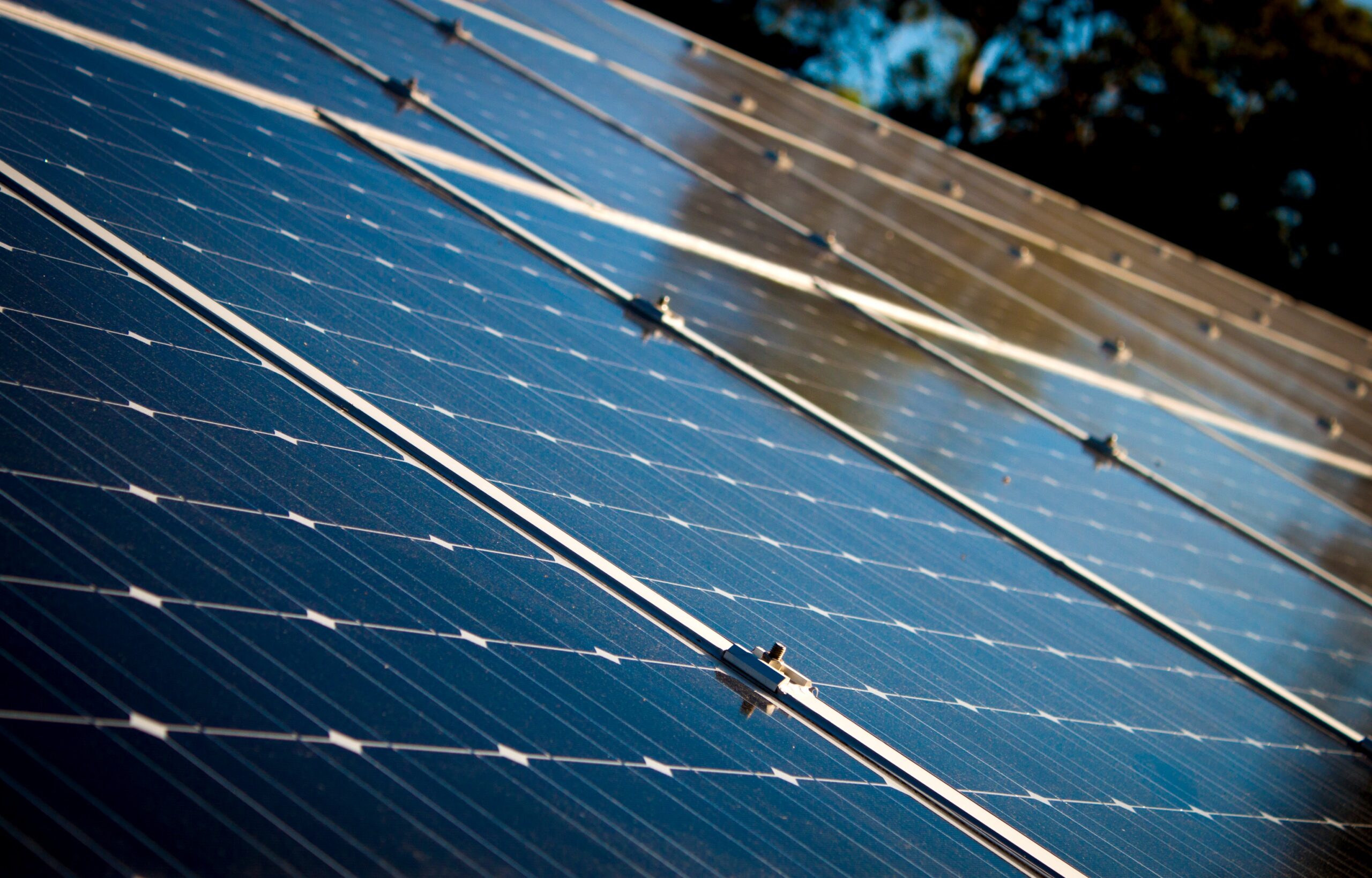
Rail mount systems are the traditional and most widely used method for rooftop solar installations. They use long aluminum or steel rails running horizontally across the roof, creating a sturdy base for attaching solar panels.
Installers fasten metal brackets or stanchions directly into the roof rafters. Flashing is then used around these points to prevent water intrusion. The rails are attached to the brackets, and the solar panels are clamped onto the rails. This creates a secure and evenly distributed structure capable of handling substantial weight and weather exposure. For these reasons, rail mount systems are best-suited for asphalt shingle, tile, and metal roofs.
Pros:
- Proven reliability: Rail systems have been used for decades, with extensive testing and a long track record of safety.
- Flexible layout options: Panels can be arranged easily around vents, chimneys, and roof features.
- Excellent durability: Rails offer strong support that performs well in high-wind and heavy-snow environments.
Cons:
- Higher material costs: The rails themselves add to system expenses.
- Longer installation time: More components mean more assembly and greater alignment precision.
Rail-less Mount Systems
Rail-less systems eliminate the long metal rails entirely. Instead, each panel attaches directly to roof-mounted brackets or supports, creating a streamlined and modern design.
Small, low-profile mounts are secured to the roof structure (often into rafters), and panels connect directly to these mounts using specialized clamps. The panels themselves become part of the structural framework, reducing the need for additional hardware. Homeowners who want a minimalist look or reduced material costs will enjoy a rail-less mount system.
Pros:
- Lightweight design: With fewer parts, the system adds less overall weight to the roof.
- Faster installation: Fewer components mean quicker assembly and reduced labor costs.
- Sleeker appearance: The absence of rails creates a cleaner, closer-to-roof aesthetic.
- Material efficiency: Uses less aluminum, making it a more sustainable option.
Cons:
- Precision required: The layout must be carefully planned since panels attach directly to the roof.
- Less adaptable: Can be more challenging on uneven or irregularly shaped roofs.
Ballasted Mount Systems
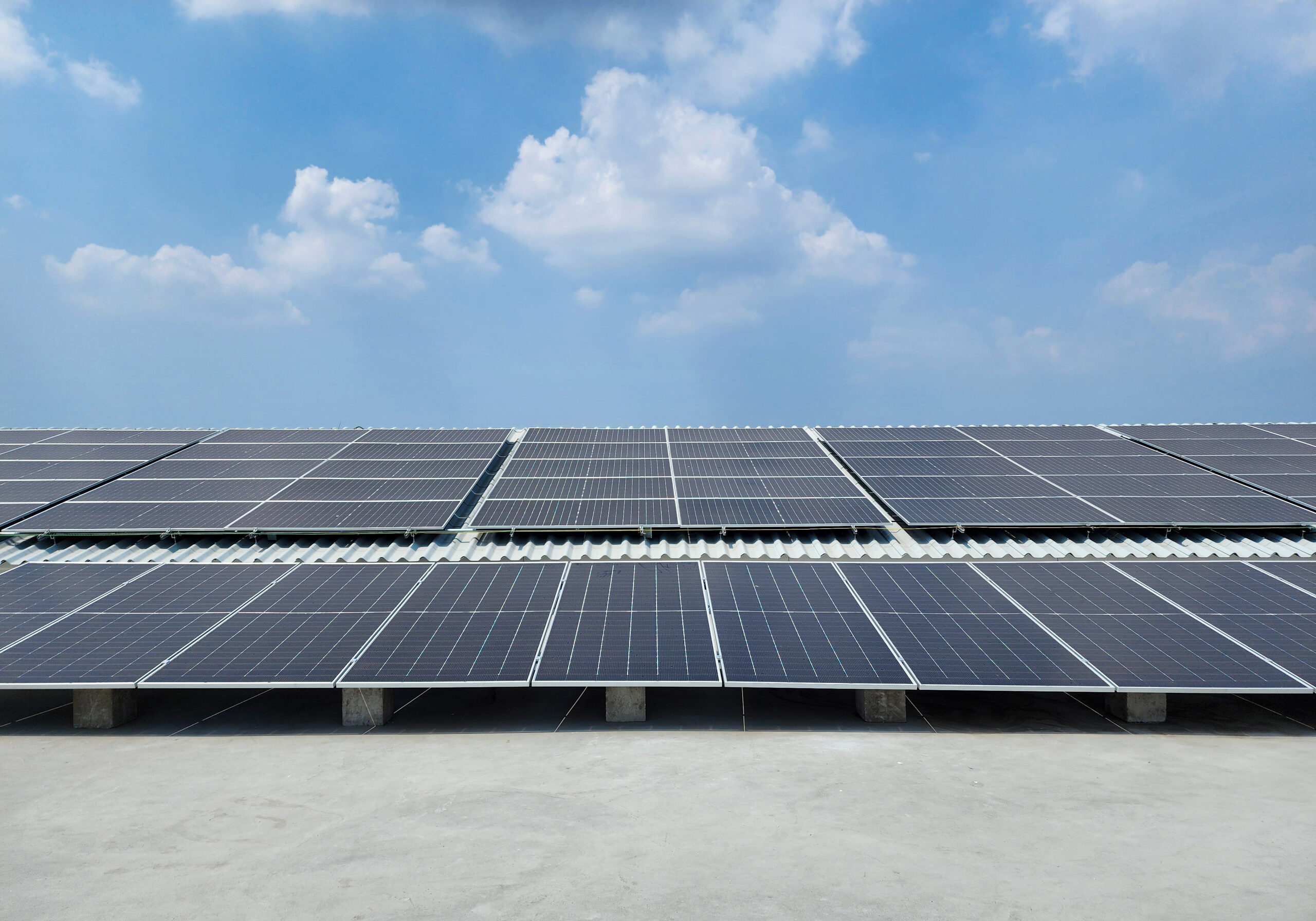
Ballasted mounting systems are most commonly used on flat or low-slope roofs, such as commercial buildings or certain modern homes. Instead of being fastened through the roof, these systems rely on weight (ballast), usually concrete blocks, to keep panels in place.
Panels are mounted on trays or racks that rest directly on the roof surface. These racks are weighted down with concrete blocks to resist movement from wind or weather. In some cases, wind deflectors or slight roof penetrations are used for added stability. Ballasted mount systems are best for commercial buildings or flat-roof homes where minimizing roof penetrations is a priority.
Pros:
- No roof drilling: Avoids holes or attachments that could compromise the roof’s waterproofing.
- Easy to adjust or remove: Ideal for leased buildings or roofs that may require future maintenance.
- Minimal disruption: Installation is quick and non-invasive.
Cons:
- Heavier overall system: Not all roofs can support the additional weight of ballast materials.
- Limited roof compatibility: Works best on flat, sturdy roofs.
- Potential wind concerns: In high-wind areas, additional anchoring may be needed for stability.
Choosing the Right System for Your Roof
Selecting the best mounting system isn’t just about hardware; it’s about matching the right solution to your specific property. Solar Liberty’s expert team evaluates every installation site with precision, taking into account:
- Roof type and structure: Each roof type requires different hardware and techniques.
- Wind and snow loads: Regional weather patterns determine system strength and anchoring needs.
- Local building codes: Our team ensures full compliance with all structural and electrical regulations.
- Budget and appearance: Some homeowners prioritize aesthetics, while others focus on cost or ease of maintenance.
Ready to Go Solar? Contact Solar Liberty Today
Whether your roof calls for a rail, rail-less, or ballasted system, Solar Liberty has the expertise to design and install it correctly. Our certified installers use only the highest-quality materials, and every project is backed by comprehensive warranties for both performance and roof protection.
Contact Solar Liberty today for a free consultation or solar quote, and discover how easy it is to make the switch to clean, renewable energy with New York’s most trusted solar experts!