Can Solar Panels Cause Health Problems?
October 31st, 2022
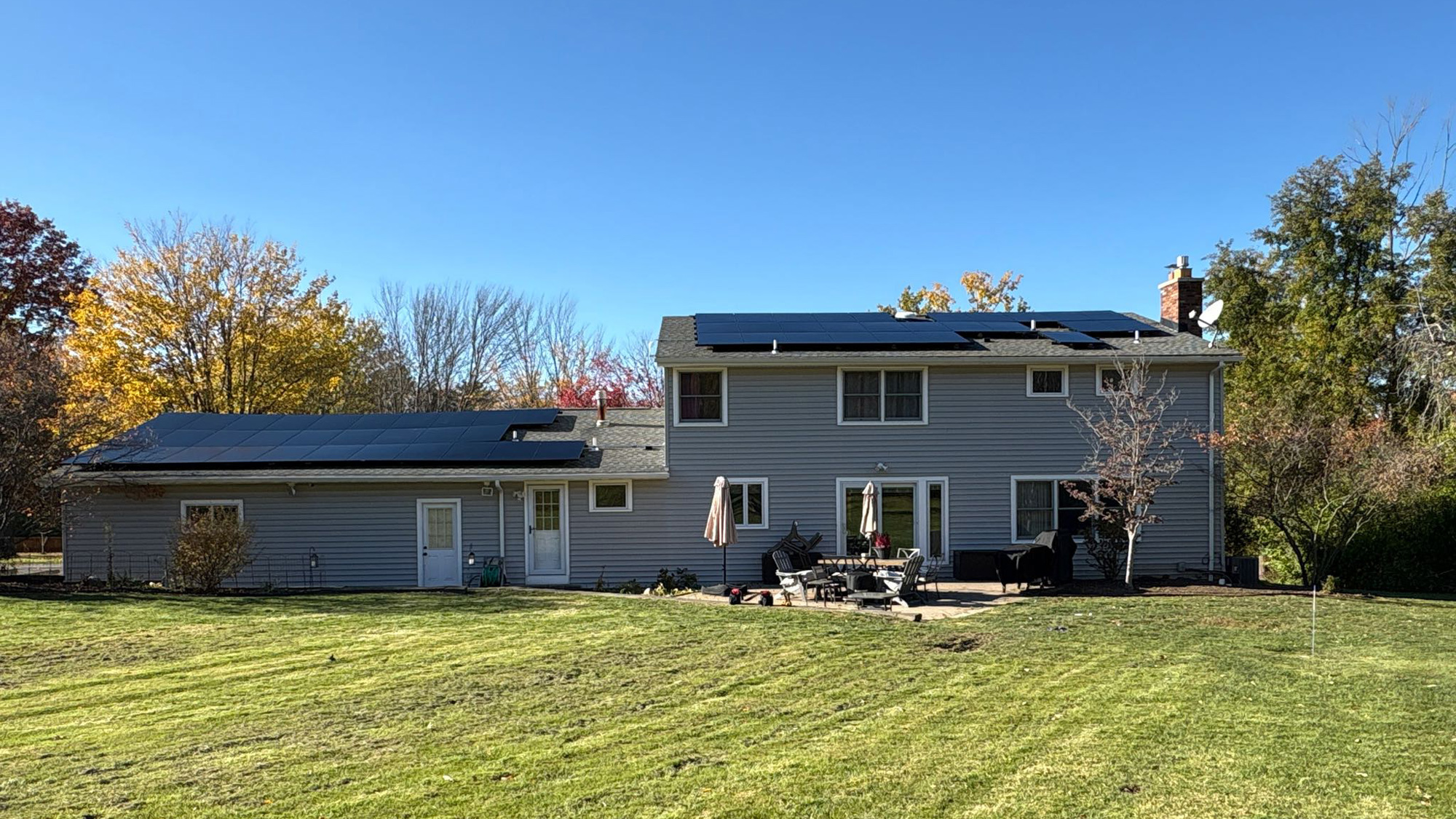
Many people are concerned about the potential health risks associated with solar panels. While there is no evidence to suggest that solar panels pose a severe health risk, some people have reported feeling uncomfortable or uneasy around them due to electromagnetic radiation.
However, scientific studies have shown that the radiation levels emitted by solar panels are well within safe limits and do not pose any significant health risks. Solar panels can be beneficial for your overall health, as they help reduce air pollution and promote a cleaner environment.
So, if you’re worried about potential health risks associated with solar panels, don’t be concerned, they’re a safe and effective way to generate clean energy and protect the environment.
It also helps to clarify what most people mean when they search for solar panels health problems. In most cases, they’re asking about one of these topics, electromagnetic fields (EMF), panel materials, glare, fire safety, or what happens when panels reach end of life. These concerns are understandable, and they’re exactly why professional design and permitting matter, because a properly planned system follows electrical and building codes and is installed for safe performance over time. If you want to understand what that looks like on a typical project, review the solar installation process and what’s included from evaluation through final inspection.
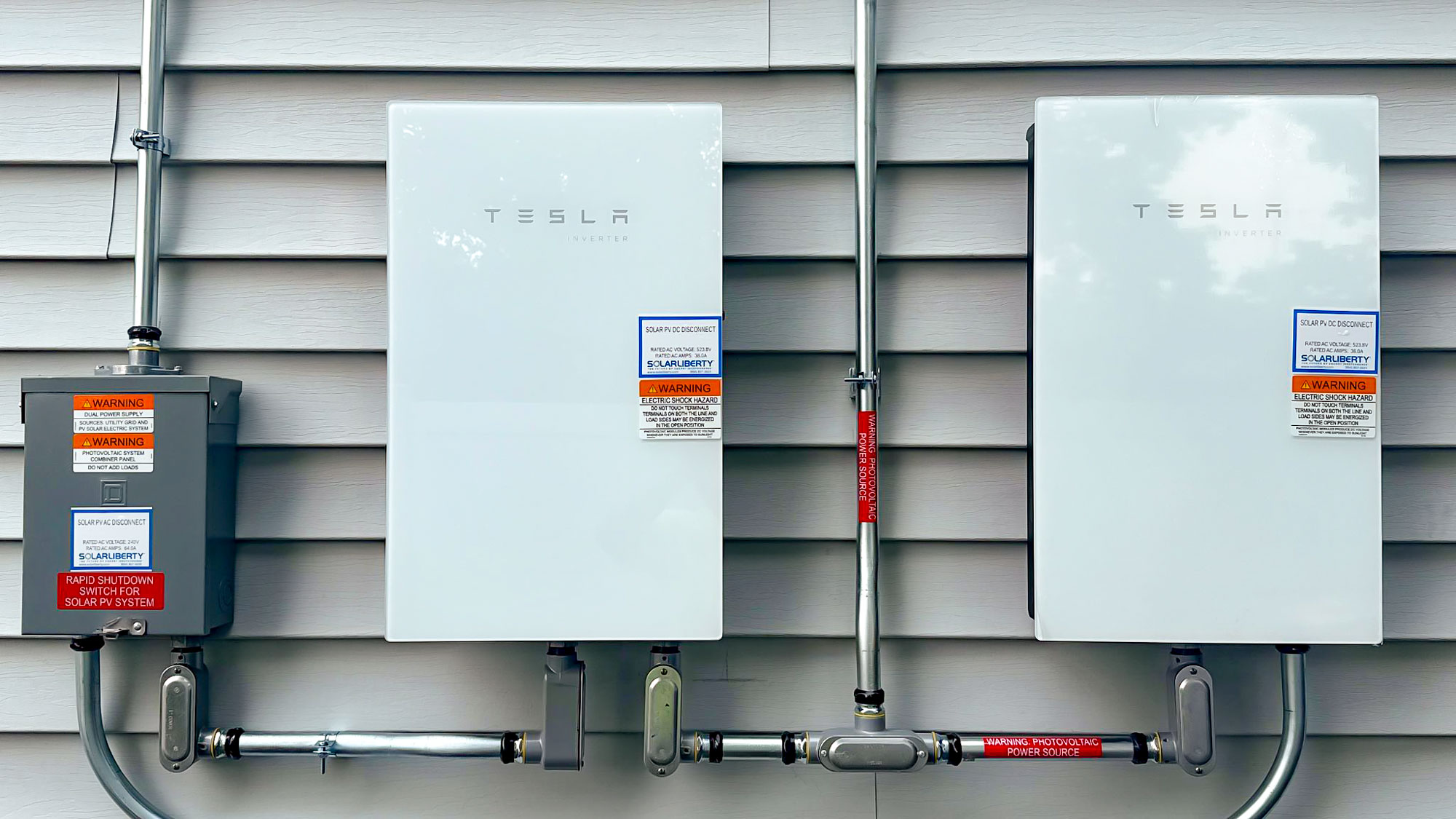
A quick reality check is helpful, solar panels do not create ionizing radiation, and they don’t “beam” radiation into your home. Most of the EMF that people associate with solar comes from standard electrical components like wiring and inverters, which are common in many household and commercial electrical systems. In other words, solar panels health problems claims are usually about everyday electricity questions, not a unique hazard created by solar itself.
Do solar panels health problems come from radiation?
This is one of the most common fears, and it’s also one of the most misunderstood. Solar equipment is designed to operate within established electrical safety standards, and the EMF you might measure is typically low and localized, strongest near components like inverters and electrical conductors, and it drops quickly with distance. If you want extra peace of mind, monitoring can help you see what your system is doing day to day, including output changes, inverter behavior, and alerts. Solar Liberty offers ongoing support that can monitor system performance and keep systems running as expected.
Myths About Solar Panels
Solar panels are a popular renewable energy source that has become increasingly common in homes, businesses, and communities worldwide. Despite this growing popularity, there are many myths and misconceptions about solar panels that continue to circulate. Here are just a few of the most common myths about solar panels:
It’s also worth separating comfort concerns from health concerns. For example, some people dislike the look of panels, worry about reflections, or feel uneasy around electrical equipment, and they interpret that discomfort as solar panels health problems. Those feelings are real, but they’re not the same as evidence of harm. When questions come up, the best approach is to focus on what can be measured and controlled, including proper siting, code-compliant installation, and clear maintenance plans.
Check out other non-health-related misconceptions about solar energy.
Electromagnetic fields (EMF)
EMF is a broad category that includes many types of non-ionizing electromagnetic energy that come from electrical devices. With solar, the primary sources of measurable EMF are typically the inverter and electrical wiring, not the panels themselves. Like other household electrical systems, EMF decreases rapidly as you move away from the source. If you want to minimize exposure even further, a qualified installer can recommend equipment placement and wiring routes that keep components away from bedrooms or other sensitive areas.
If your primary motivation is resilience during outages, pairing a solar system with storage can reduce reliance on the grid and keep essential loads running when the utility is down. In that case, you may want to look at battery storage options that match your goals for backup power and energy independence.
Radiation & Toxicity
One common myth about solar energy is that it causes harmful radiation and toxicity. However, this claim is unfounded and has been debunked by numerous scientific studies.
Solar energy systems may contain small amounts of toxic materials, but studies show that these materials do not endanger public health.
Research has shown that solar panels emit little radiation and do not pose a health risk to humans or animals. The radiation emitted by solar panels is so insignificant that it cannot be detected without specialized equipment. Furthermore, this level of radiation is well below what humans are naturally exposed to daily from sources like the sun, cellphones, and Wi-Fi routers.
One reason solar panels health problems concerns persist is that people hear “chemicals” and assume those materials are freely released. In reality, PV modules are manufactured to keep internal materials sealed within durable encapsulation and glass. The risk profile changes at end of life or if panels are crushed or mishandled, which is why proper recycling and waste management matter, but normal operation on a roof or in a field is not the same scenario.
Glare, headaches, and general discomfort
Another common concern is glare, especially for neighbors, drivers, or people who spend time near a roofline. Glare is more of a nuisance and visibility issue than a health risk, but it can contribute to discomfort or headaches for some people if a reflection hits the wrong angle. Professional design helps reduce this, because panel orientation, tilt, and placement can often prevent problematic reflections. For commercial sites with more complex layouts, commercial solar installation planning typically includes detailed site evaluation so systems fit the property safely and efficiently.
Cancer
Another myth about solar panels is their connection to cancer. According to Cancer.net, “There is no evidence that solar panels are causing cancer,” says Noah Kittner, Ph.D., assistant professor in the environmental sciences and engineering department at the Gillings School of Global Public Health at the University of North Carolina.
Dr. Kittner explains that solar panels and solar farms benefit human health in several ways. For one thing, they offset other electricity-generating sources that can contribute to air pollution, which is linked to increased lung cancer rates. Additionally, they provide clean, renewable energy without any harmful by-products or emissions, making them a more sustainable solution than traditional energy sources like coal and natural gas.
When Solar Panels Die
Solar panels can be an incredibly useful and sustainable energy source, but they have a limited life span. After several years of use, they may need to be replaced or recycled.
Concerns about the safety of dead solar panels are understandable; however, by following proper recycling procedures, any risks are effectively minimized.
To ensure that your solar panels are safely recycled once they reach the end of their usefulness, you should follow the guidelines set forth by the EPA. This website provides detailed information on how to safely handle and dispose of your solar panels, including things you can do at home to prevent accidental exposure.
Solar panels health problems discussions sometimes focus heavily on disposal, but the key point is that end-of-life handling is a management issue, not an “in-use” health threat. If you ever replace your system, a reputable installer can advise on disposal pathways and recycling options appropriate for your location.
If you want to understand the materials and manufacturing process in a practical, non-alarmist way, this overview explains how panels are made and why they’re engineered for durability and containment.
What to do if solar panels health problems still worry you
If you still feel uneasy, focus on the things you can control and verify. These steps are simple and practical, and they address the most common concerns without getting pulled into misinformation:
- Ask your installer where inverters, shutoffs, and primary wiring will be located, and keep major equipment away from bedrooms when feasible.
- Use system monitoring to confirm production and identify issues early, including inverter faults or unusual drops in output.
- Keep panels clean and inspected, especially after storms, heavy pollen seasons, or construction dust.
- Recycle panels through proper channels at end of life, instead of storing damaged modules or disposing of them improperly.
For most homeowners, the “health” question is really a long-term performance question, because a well-maintained system is less likely to experience electrical problems or physical damage. If you want straightforward upkeep guidance, this resource can help you keep panels running efficiently year after year.
Additional Resources
Various resources are available to learn more about solar panels and their usage. Some useful links include:
- The U.S. Department of Energy’s website on how solar energy works
- The National Cancer Institute’s fact sheet on electromagnetic fields
- The EPA’s FAQ page on solar panels
Looking for sustainable energy solutions in New York? Look no further than Solar Liberty! Call us today at 866-807-3639 or contact us online.