Commercial Solar for AI Data Centers
AI data centers are growing fast because AI systems need constant computing power. These facilities run high-density servers around the clock. In the Northeast US, commercial solar for AI data centers has become a planning priority as utilities reach capacity limits. Every new server rack adds steady electrical demand. Training large AI models can draw megawatts for days at a time. Utilities now report longer wait times for new power connections. When the electricity supply tightens, operating costs increase.
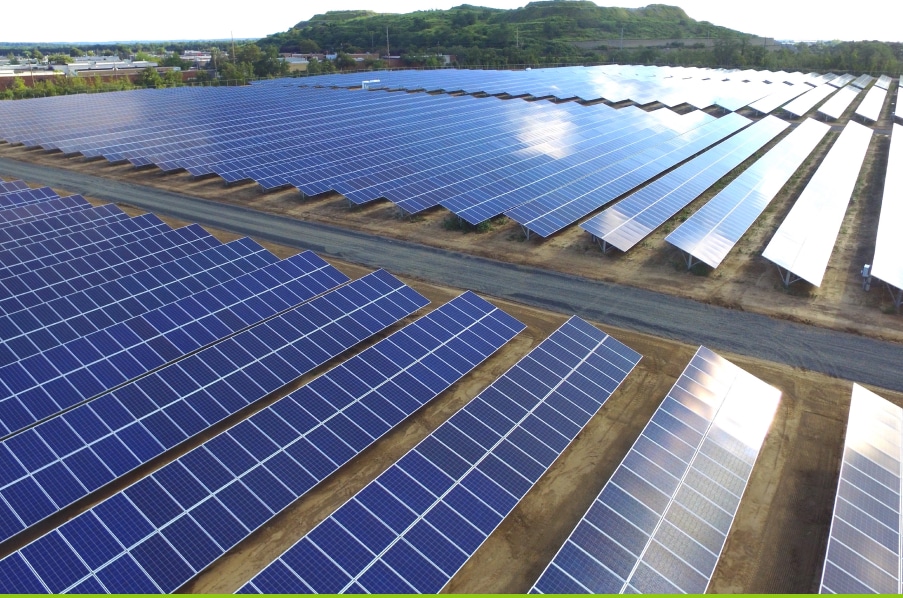
Many operators now consider commercial solar solutions to control rising energy costs. On-site solar reduces reliance on the grid during high-price hours. Solar panels often produce the most power during peak cooling demand. Proper system sizing helps facilities offset steady daily usage. Solar Liberty uses real load data to design systems that support future expansion. We manage every step, from engineering and installation to long-term monitoring and maintenance.
If you need commercial solar for AI data centers in the Northeast US, contact Solar Liberty for help. We design systems for growth and cost control.
Why AI Data Centers Need More Power
AI-driven data centers use far more electricity than typical commercial buildings because servers run nonstop. GPUs draw large amounts of power. Cooling systems remove constant heat from dense racks. Pumps, chillers and fans add extra electrical load. And redundant power systems increase total demand to maintain uptime.
Expanding data centers often need switchgear upgrades and higher utility capacity. Utility improvements can take years in busy regions. Operators must plan scalable energy sources. AI workloads shift with client demand, making energy forecasting tricky. Plus, short usage spikes can raise demand charges and increase costs.
Reliable electricity keeps AI data centers running on schedule. Even brief voltage drops can halt processing. Planning must cover current and future server racks.
- Dense server racks that run nonstop
- Continuous processing cycles that draw large amounts of electricity
- Powerful cooling systems that remove constant heat
- Redundant electrical setups to protect uptime
- Rapid facility expansion that increases demand quickly
How Commercial Solar Supports AI Growth
Commercial solar helps offset daytime electricity use at high-demand AI facilities. Solar panels produce power when cooling systems are running at their hardest. Using less grid electricity lowers demand charges. Reducing peak loads also makes energy costs easier to predict.
A well-designed commercial solar installation connects smoothly with existing electrical equipment. Interconnection studies check transformers and switchgear. We analyze interval load data to size systems correctly. This ensures solar output matches actual electricity use. Modeling relies on site-specific sunlight data across the Northeast US.
Solar arrays can grow alongside facility expansions. Rooftop or ground systems can add capacity for new server rooms. In addition, extra panels tie into existing infrastructure easily. This setup helps spread investment costs as computing needs increase.
On-site solar reduces reliance on volatile utility rates, especially since electricity prices can change with fuel supply or seasonal demand. Generating power on-site protects against spikes. Solar energy also supports internal carbon reporting for enterprise contracts.
For AI operators, careful energy planning affects pricing and competitiveness, and stable costs support long-term financial forecasts. Moreover, on-site solar adds capacity without waiting for grid upgrades.
- Reducing daytime electricity demand
- Keeping energy costs more predictable
- Designing systems that grow with the facility
- Shielding against utility rate spikes
- Adding on-site power capacity
Why Battery Storage Matters for High-Demand Facilities
Commercial battery storage helps high-demand facilities manage electricity use. It captures extra solar power at midday, so that stored energy can power evening peaks or utility events. This approach cuts demand charges during short spikes.
Facilities with heavy electricity use often face short billing spikes. Batteries respond in milliseconds to control them. This quick action prevents high peak charges. Storage can also work with backup generators, cutting fuel use and maintenance needs.
Solar for data centers works best when companies pair them with battery storage. Without batteries, extra solar may feed the grid for lower rates. Storage lets more energy stay on-site. Energy systems can schedule charging and discharging using actual load data.
Storage helps data centers stay resilient during grid disturbances, and batteries provide short-term power before generators start. This buffer keeps the voltage steady during transitions.
- Controlling peak electricity use
- Using more solar power on-site
- Responding quickly to sudden demand spikes
- Reducing reliance on backup generators
- Keeping voltage stable during grid transitions
What a Commercial Solar Project May Include
When we take on a commercial solar project, we start with a detailed review of energy usage. Interval utility data shows load curves and peak times. This analysis helps size the system and estimate savings. Using accurate consumption data ensures the system works properly.
Next, we evaluate the site for structure and available space. We inspect the roof to check the load capacity for racking. Ground-mounted systems need land and soil assessments, and our electrical inspections locate suitable points to connect to the grid.
Our system design turns collected data into technical plans. We use drawings to show panel layout and inverter placement. Our designers then size wires to prevent voltage drop, while battery plans set capacity and discharge rates for the load. Lastly, integration ensures solar and storage work together smoothly.
Permitting and utility coordination help move the project toward approval. Local authorities check plans for code compliance. Utilities study interconnections to keep the grid stable. Clear documentation makes reviews faster and smoother.
Our installation service covers racking, panel placement, inverter wiring and commissioning tests. After installation, we conduct thorough performance testing to confirm the system is producing at expected output levels. Monitoring systems track production and alert operators to issues. We also provide structured maintenance plans to protect system performance and extend equipment lifespan. To maximize your return on investment, we can review business solar grants and local incentives to improve returns.
- Analyzing utility data for energy use
- Reviewing structural capacity for panels
- Creating detailed system drawings
- Planning battery storage and discharge rates
- Coordinating grid connections
- Installing the system professionally
- Continuously monitoring system performance
Why Choose Solar Liberty for Complex Commercial Projects
AI facilities need careful electrical planning and large-scale coordination. Solar Liberty has over 20 years of commercial solar experience. Our team includes NABCEP-certified professionals and licensed engineers. This expertise ensures safe integration with high-capacity power systems.
Complex projects need clear timelines and utility coordination. That’s why we begin with detailed engineering and system planning, minimizing costly redesigns and delays during construction. We complete large-scale installations for long-term performance.
Why choose our team? When you choose our team, you’ll get scalable solar systems based on documented load data. We can also deliver expansion forecasts with ongoing monitoring for reliability.
If you need commercial solar for AI data centers in the Northeast US, contact Solar Liberty. We design systems for high-demand operations.
FAQs
AI facilities face strict uptime rules and rising energy costs. The following questions show how solar and storage solve these challenges.
Can commercial solar help power AI data centers?
Yes. Commercial solar can supply part of the daytime electricity for AI data centers. Through detailed load analysis and customized system sizing, you can align your solar generation with your facility’s real-time energy usage.
Why is battery storage important for AI data center solar projects?
Batteries store solar energy so that the AI data centers can use the stored energy during expensive peak hours. Batteries respond quickly to limit short spikes and reduce demand charges. Storage also provides backup power during brief outages or voltage drops.