How Solar and Battery Storage Support Long-Term Energy Planning for AI Facilities
March 6th, 2026
AI facility growth is set to have a major impact on the world in numerous ways. One effect that we don’t hear about enough is the amount of energy AI facilities and data centers use and the way it’s going to continue shaping commercial energy planning. As the number of data centers increases, it will put more and more stress on our already strained energy resources.
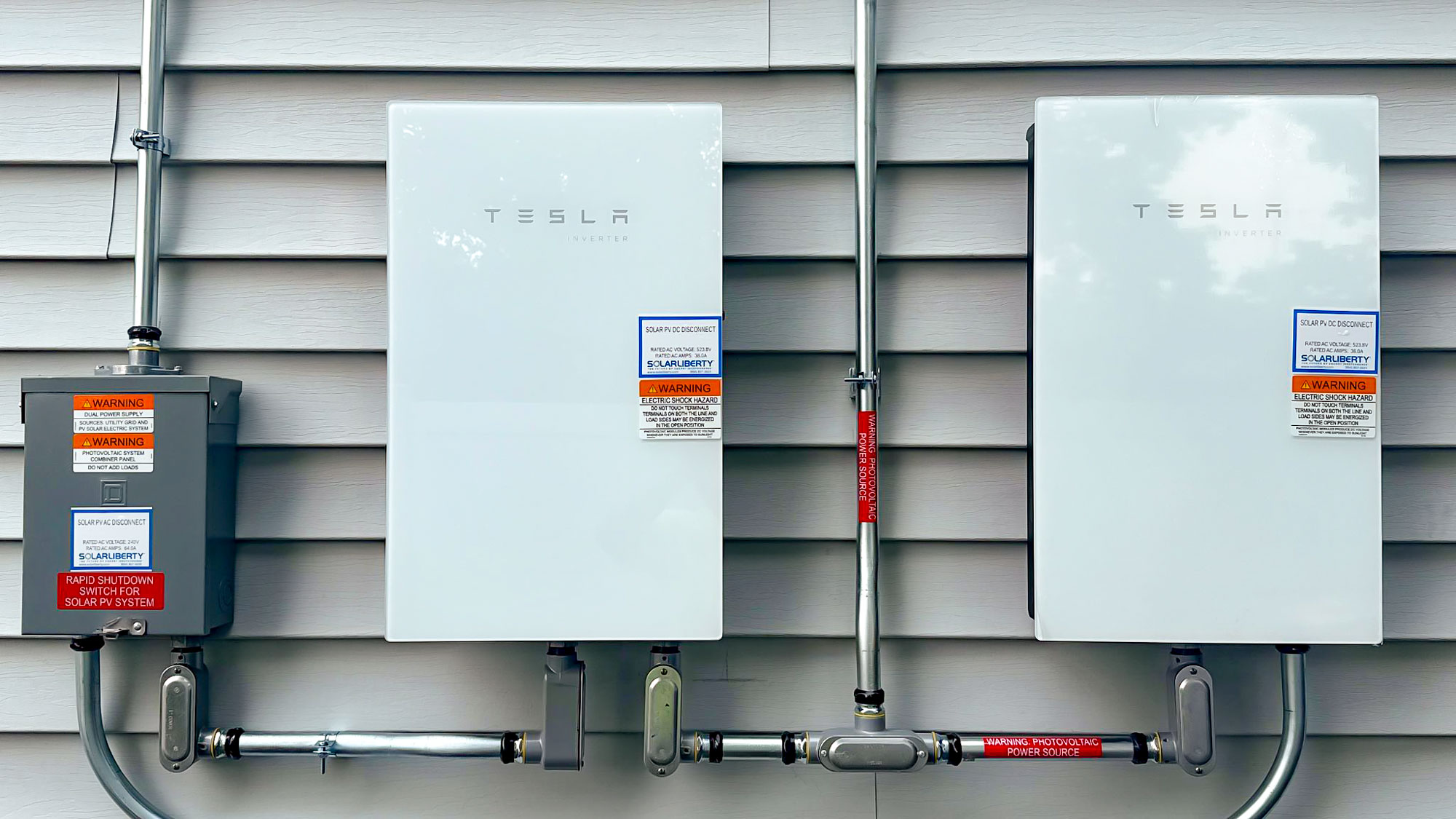
This may mean that utility companies will need to introduce more rolling blackouts until they can increase their power-generating capacity to meet the increased demand. This type of issue is a big concern for any AI facility since it can result in times when the facility can’t operate due to lack of power. This is where investing in commercial solar and battery storage is especially beneficial, as it allows AI facilities to generate and store their own power so that they’re far less reliant on the grid.
How Commercial Solar Helps Support High-Demand Operations
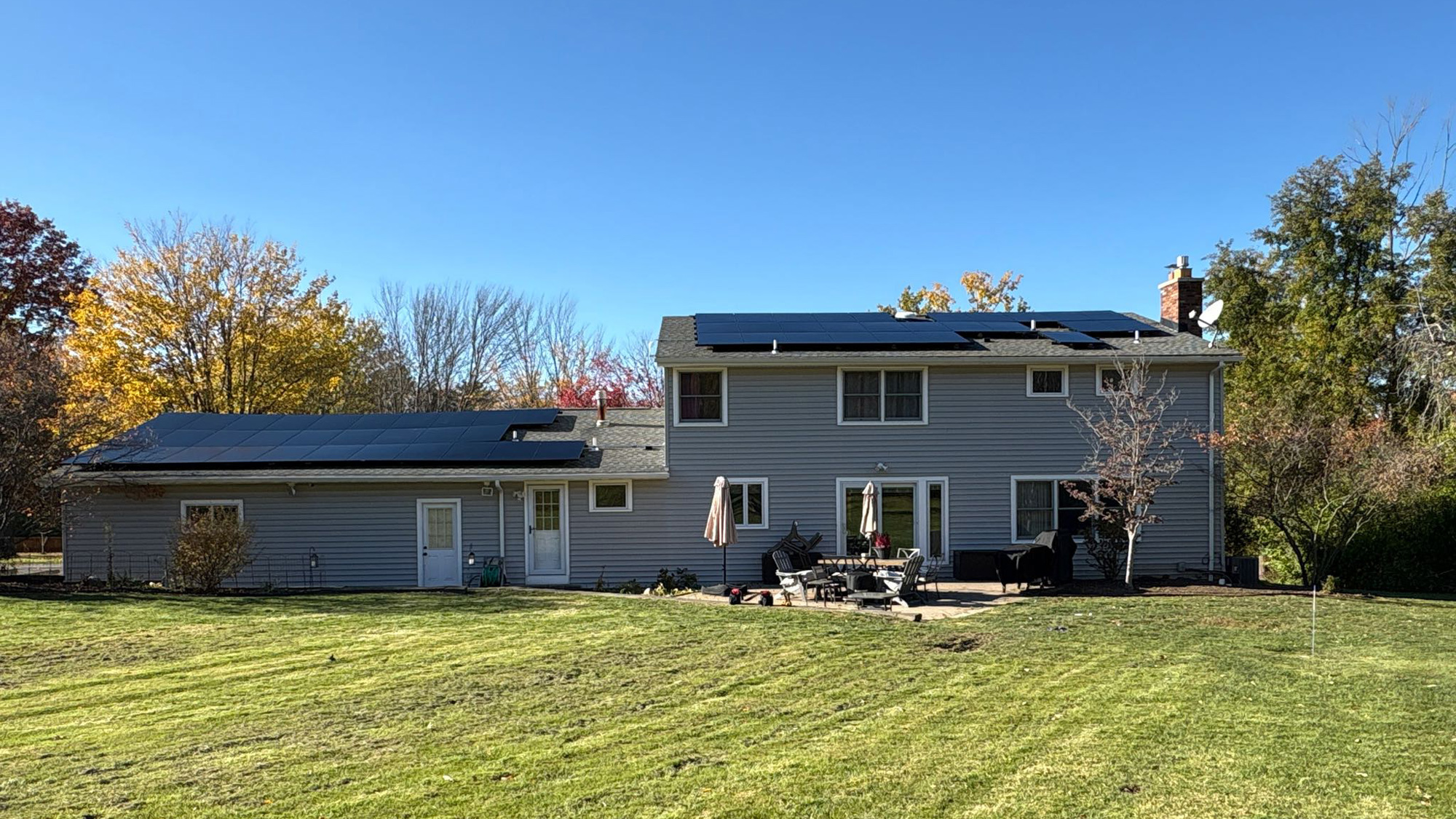
Commercial solar for AI data centers is the cleanest and best solution to effectively meet the energy needs of high-demand operations. High energy costs are one of the main risks for the AI industry. For a data center to be profitable, the revenue it generates from its computing output must exceed the high cost of electricity while covering all equipment costs. The same applies to cryptocurrency mining operations.
Facility solar systems hold the key to making data centers more profitable, as they can greatly lower overall energy costs. As AI-driven demand for energy increases, electricity rates will become much higher and more volatile. Going solar allows data centers to reduce their vulnerability to these issues. It also helps with long-term planning by enabling the facilities to scale up more easily in the future without needing to worry as much about how their increased energy consumption will affect their bottom lines.
Why Battery Storage Improves Flexibility for Energy-Intensive Facilities
While commercial solar is a great solution for the AI industry, it still has its limitations. Data centers need to be able to operate 24/7, but solar arrays obviously only generate power during the daytime when the sun is shining. That means they’re still reliant on electricity from the grid for much of the time. This is why it’s also worthwhile to invest in commercial battery storage. Solar batteries allow data centers to prepare for fluctuations in the amount of power they’re currently using. During times when usage is lower, the batteries store the excess solar power so that the facility can then rely on it at times when the energy demand spikes.
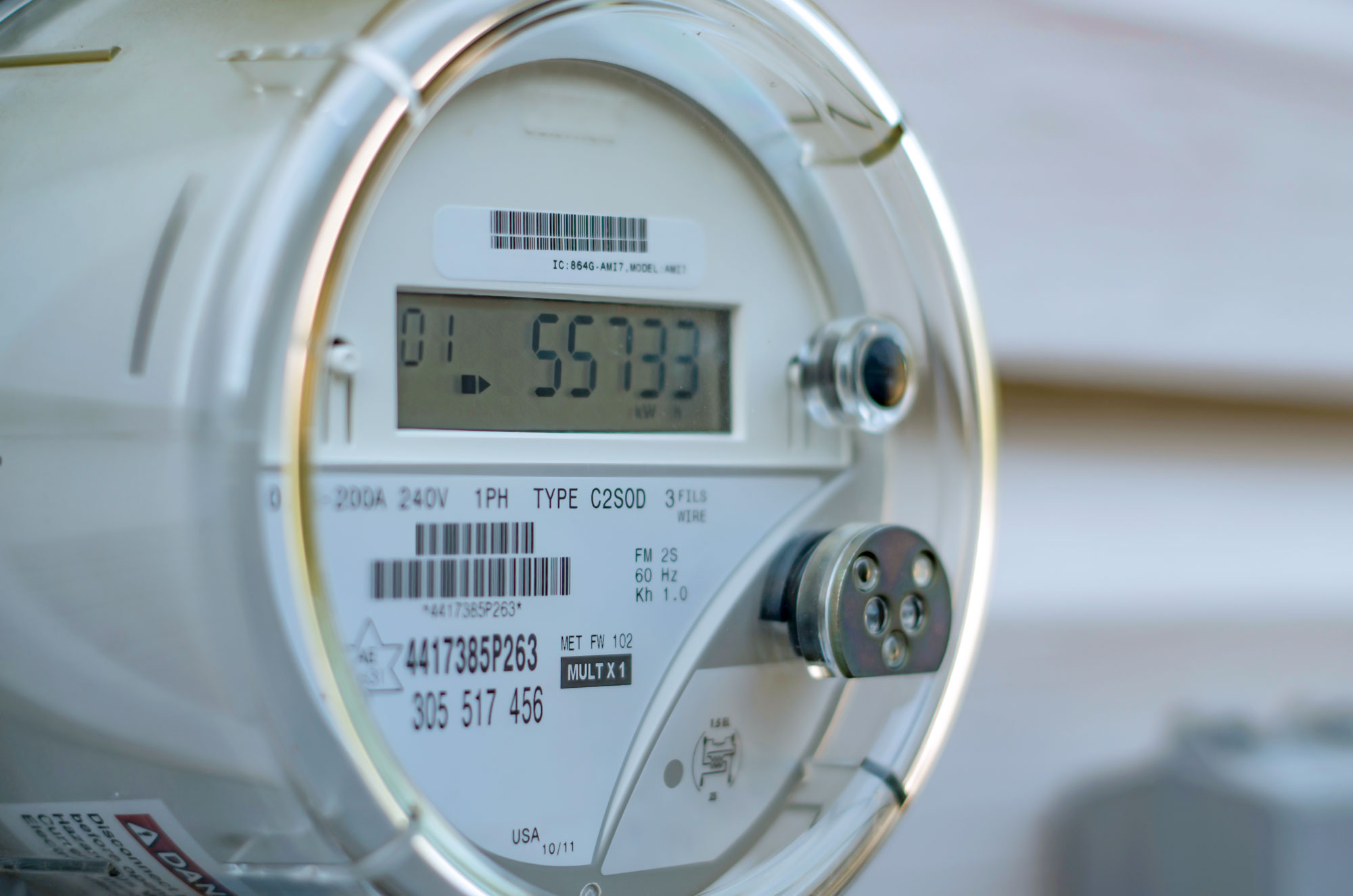
Under ideal conditions, a large commercial solar array can potentially generate more electricity than a facility needs to power all its equipment. Any excess power that the facility doesn’t use then goes back to the grid. More and more utility companies now offer net-metering programs for commercial solar installations. With net metering, the business gets a credit for the power they send to the grid that it can use to help offset the cost of the power it draws from the grid.
The concern is that the net metering credits are usually only worth a fraction of the utility company’s usage rates. With commercial battery storage, you’ll be able to use much more of the power your solar panels generate and save much more on energy costs than you would with net metering alone.
One of the other huge benefits of battery storage is that it builds in redundancy, allowing the facility to better prepare for grid instability. Issues like heat- and storm-related outages, brownouts due to high demand, and rolling blackouts are becoming more common, and they’re likely to become even more frequent as a result of climate change and increased grid strain. Solar battery storage allows data centers to keep operating when the grid is down. Depending on the amount of battery storage the facility has, it may be able to operate only at partial capacity if the solar array isn’t currently generating power. Nonetheless, battery storage can still minimize downtime and loss of revenue during a blackout or outage.
How Solar Can Support Long-Term Cost Control and Energy Stability
Commercial solar is a major investment, but it’s the best way for data centers to future-proof their businesses. The energy savings mean that a solar array will almost always pay for itself far before the panels start to deteriorate and need replacement. From there, all the power the panels generate is pure profit. With commercial solar and battery storage, an AI facility gains a more stable, long-term source of energy that reduces its exposure to grid fluctuations and rate increases.
One of the biggest concerns for the AI industry is the potential for high energy costs to cause it to collapse. Without increased energy-generating capacity, data centers may not be sustainable for much longer. Commercial solar makes facilities far more sustainable by allowing them to directly generate much of the electricity they need to power their data output.
How to Get Started With a Commercial Solar Strategy
At Solar Liberty, we have more than 20 years of experience designing and installing commercial solar systems for data centers and a wide range of other industries. We’re proud to be the largest solar installer in New York. Our company also supports both small- and large-scale commercial solar installations in Ohio, Pennsylvania, and Vermont.
Our systems are designed to withstand the harsh weather conditions that commonly occur throughout the Northeast and Midwest. All our installers are fully certified by the North American Board of Certified Energy Practitioners, ensuring they’ve undergone extensive training and can conform to the highest industry standards. To see how we can help your facility meet its commercial solar needs while cutting costs, contact us to get started today.