How to Reduce Electric Bills with Solar Panels
October 6th, 2026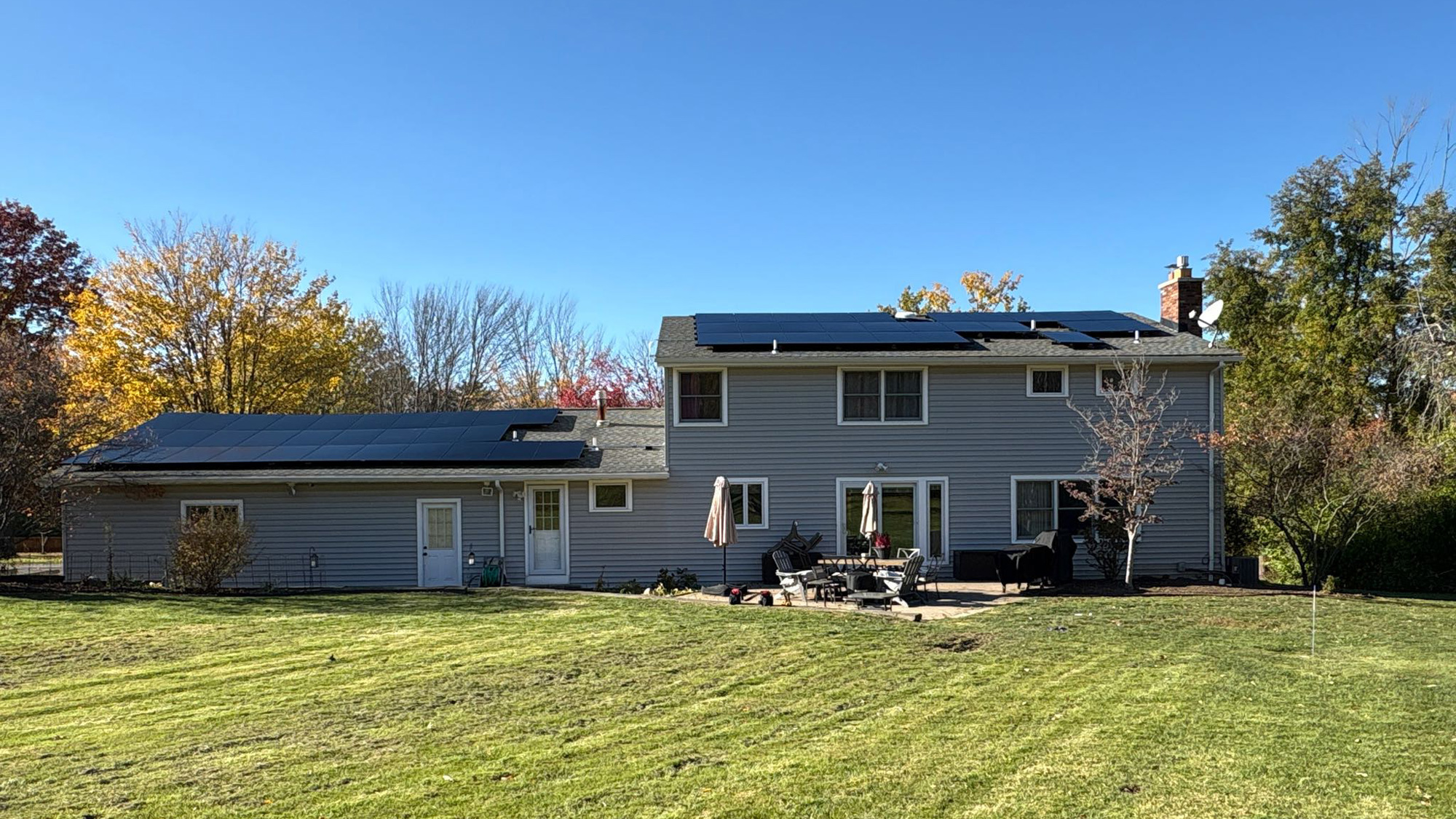
You can lower your electric bills with solar panels by offsetting energy you would usually receive from the local grid. Depending on system size and your state’s net metering rules most homeowners can expect to see a savings at 50-90%. You will still receive a monthly bill from the utility company for connection to the electric grid.
If you generate any excess energy with your panels, you will receive a credit back through net metering.
Understanding your electric bill before and after solar panels
Electric bill before solar panels
Most electric bills feature your account summary, charges for the billing period, late fees, adjustments, and a usage insights section. The usage section highlights how your energy consumption shifts month to month.
Current charges are split into two groups: Supply and Delivery
- A supply charge is for the electric you used over the past month, measured in kilowatt hours. If your usage goes up so will your bill.
- A delivery charge covers the cost of moving electric from the grid to your home. Some utility companies charge a fixed connection fee even if you do not use electric from the grid.
Electric bill after solar panels
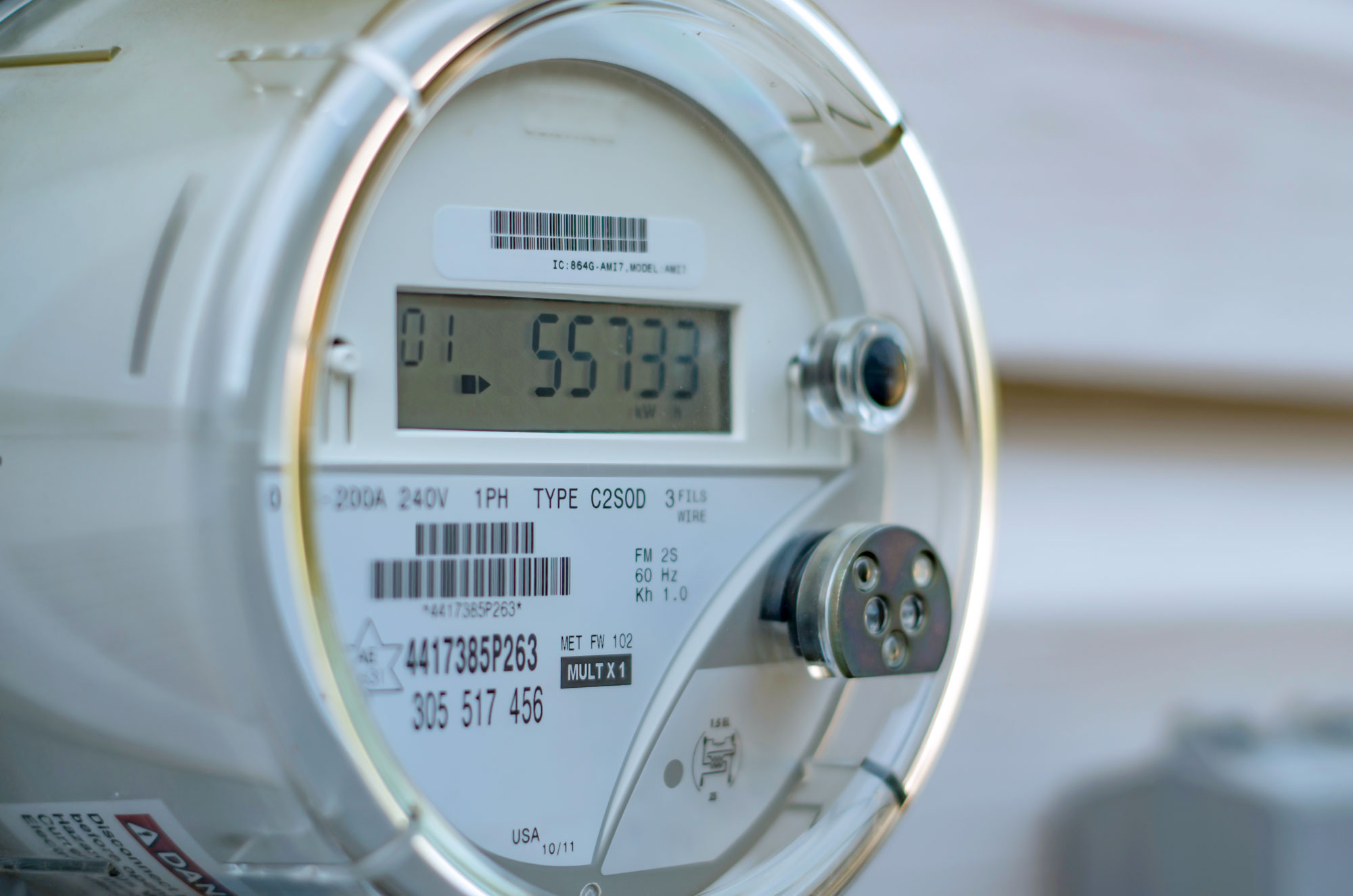
- Net metering: Credits will display the energy credits generated by your solar panels that were not consumed during that month. If you generate more energy than you use, it is often rolled into a credit for future usage.
- Time of use – Some electric companies will include a time of use section on your bill. This states how much electricity you used during peak times. Depending on the time of day you may pay higher or lower rates based on when the grid is at its busiest.
How do solar panels affect your bill?
Seasonal changes will affect how efficient your home’s solar panels are at generating usable energy. Additionally, homes in areas that receive more sunlight are more likely to produce energy than those in very cloudy regions. Homeowners with larger solar installations with more efficient panels are less likely to need to pull power from the grid.
Your home will pull power from the grid in the following conditions:
- Nighttime
- When the sun is not shining
- If a new energy intensive device is added to your home, and that system was not accounted for when sizing panels for your home.
Will I get money back from the utility?
Depending on the utility company and state you live in some utilities buy back excess solar energy your panels produce. In most cases, the utility will purchase the solar power through billing/ net metering credits.
Understanding your savings
The time it takes to ‘break even’ on your solar investment will vary depending on system size, how much energy your home uses, and a few other factors. On average homeowners can expect an ROI at the 6–10-year mark. Keep in mind that every month you will be saving on your electric bills with solar panels. Meaning most solar installs cost less than your current electric bill pricing.
You can calculate your solar payback period with guides from the Department of Energy or request a free solar quote through Solar Liberty and our sales team will handle the rest.
Including energy efficient appliances
Pairing solar with home upgrades can save you more money on electric. The less electricity you use, the more likely it will be supplied from your solar panels and not the utility grid. Upgrades to consider:
- Installing energy-saving Energy Star Appliances
- Replacing older lighting with LED lighting
- Running full loads when using the dishwasher, washing machine, and dryer
- Regulate house temperate with properly sealed windows and doors
Monitoring your solar production
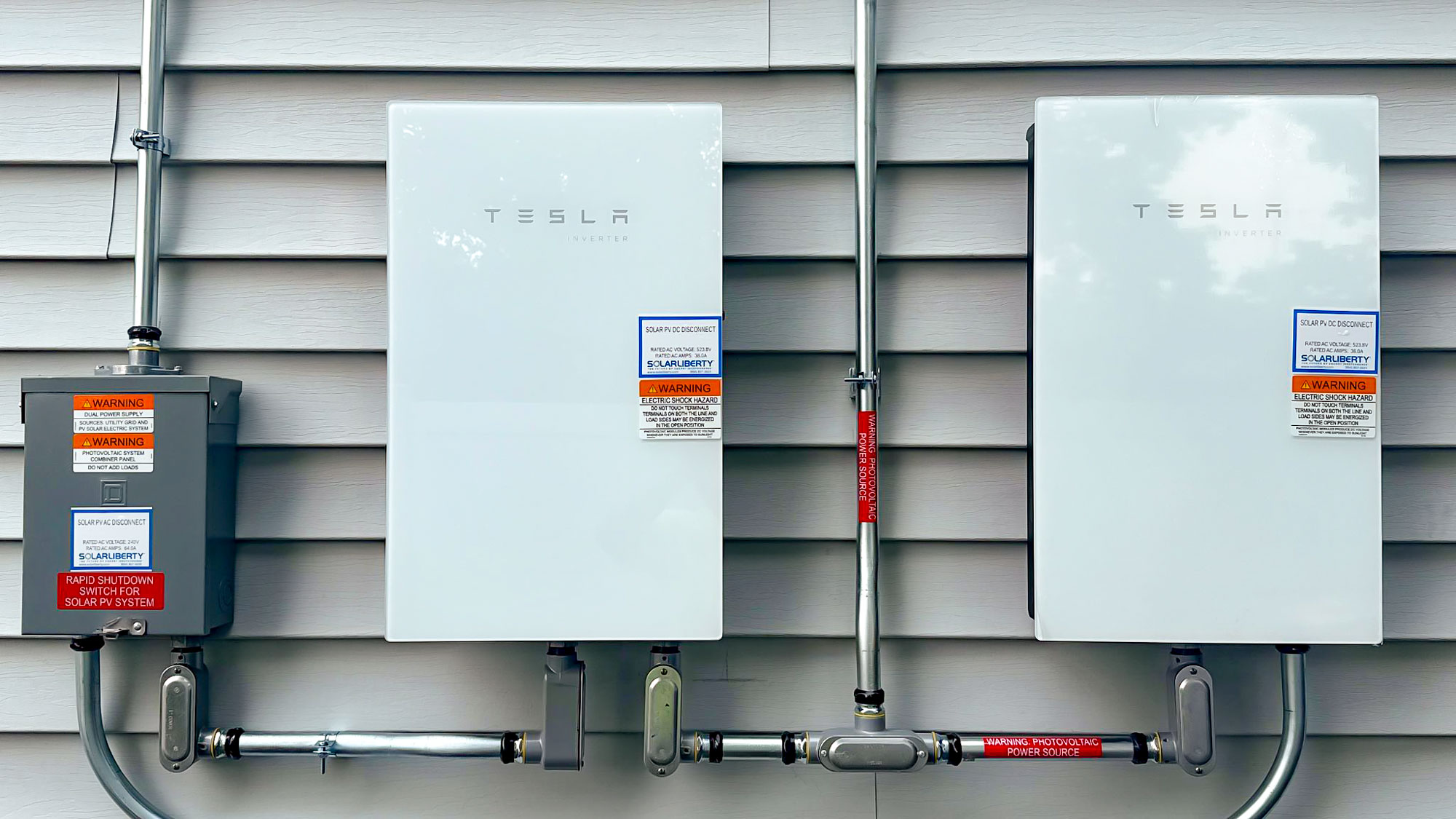
When your solar system is up and running, your inverter will connect to your home’s Wi-Fi network. This connection enables real-time production data to be sent to an online monitoring portal, where you can track:
- Daily and cumulative energy production
- Long-term performance trends
- System health and efficiency
Tracking this data can help you prepare for low-solar production months ahead of time. Wi-Fi connectivity also allows your solar installer to remotely monitor your system, helping catch and resolve potential issues quickly.
Taking control of rising energy costs
Gain more control over your monthly electric bills with solar panels. Net metering credits, lower supply charges, and long-term savings can make going solar the solution to high electric rates. Plus, it will increase your home’s value. Pair your system with energy-efficient upgrades and regular production monitoring, and you’ll get even more out of your system.
Request a free solar quote from Solar Liberty, and team will walk you through your current usage, recommend the right system size, and show you what your bill could look like after going solar.