Solar Farm Myths Debunked: 8 Common Misconceptions Explained
July 14th, 2026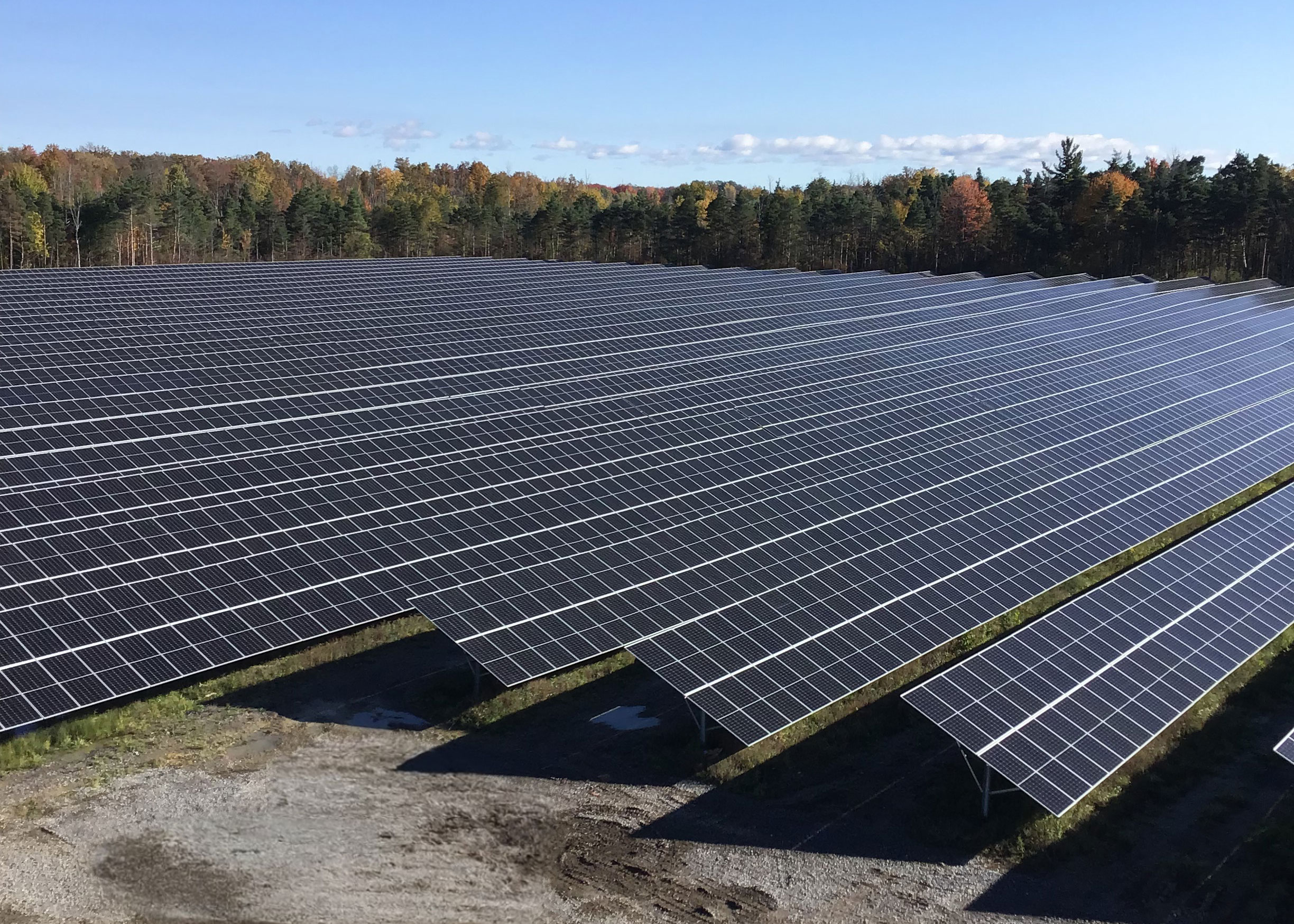
Solar farms are a great way to turn unused farmland into an investment. Even though these projects are beneficial for producing clean energy, there are a lot of solar farm myths. Let’s explore these misconceptions and the facts that debunk them.
Myth #1: Solar Farms Destroy Productive Farmland
The belief that solar farms eliminate usable farmland is one of the most common misunderstandings. Farms that are marginal, unsuitable for agriculture, or underused are the most common sites for solar installations. However, some farmers practice agrivoltaics.
This method blends solar installations with flowering crops for pollinators or vegetation that supports grazing herds. Solar farms can provide an alternative to damaging agriculture. They generate additional income while also letting the soil rejuvenate.
Myth #2: Solar Farms Lower Nearby Property Values
Fears about solar farms hurting property values are largely unfounded. Many studies conducted by major real estate companies show that nearby solar equipment generally has little to no negative impact. In fact, because of reduced energy costs and local tax advantages, property prices usually stay the same or even go up.
Myth #3: Solar Farms Only Work in Constant Sunlight
It’s natural to think that solar electricity can only be produced in regions with abundant sunlight. In actuality, there’s no need to worry about overcast skies or shorter winter days. Thanks to technological developments, solar panels are now more efficient than ever at generating power from daylight (not just direct sunlight).
Myth #4: Solar Farms Aren’t a Smart Financial Choice
Solar farms require very little upkeep by the owner when leased out to a solar developer. The solar company will handle all installation and maintenance. Best of all, the electricity produced by the panels can be a form of long-term income.
Many contracts increase earnings by a certain percentage each year, with terms lasting up to 50 years or longer. If you’re looking for a way to diversify your revenue, a solar farm might be ideal. Solar farming is one of the easiest ways to make money without constant labor.
Solar farming can increase revenue in several ways, including:
- leasing land to a solar developer
- Selling electricity back to the grid.
- Power Purchase Agreements (PPAs)
- Renewable Energy Credits (RECs) are also profitable.
- Tax incentives and grants can make it affordable to invest in this process, in addition to yearly benefits.
Myth #5: Solar Farms Require a Lot of Maintenance
As we just mentioned, solar farms don’t require much maintenance on the landowner’s part. The solar company will clean and inspect the panels regularly to make sure they operate efficiently. While conventional farms face rising maintenance costs, solar farms operate with minimal labor and steady returns.
Myth #6: Solar Farms Hurt Local Wildlife and Ecosystems
With thoughtful planning, a solar farm won’t harm local wildlife or ecosystems. Instead, it can contribute to its ecological health by creating natural habitats and supporting soil health.
For example, many solar farming projects include native plants and wildflowers that attract pollinators. This leads to a stronger soil structure, which reduces erosion and improves water management. Wildflowers also limit the growth of invasive weeds, which minimizes upkeep around the panels.
Myth #7: Solar Farms Take More Energy to Build Than They Produce
It typically takes one to three years for a solar farm to produce enough energy to offset the energy used in its construction. This is a concept known as the energy payback period. Their high efficiency ranks among the best renewable energy technologies now in use. Solar panels generate far more energy than they use throughout their 25- to 30-year lifespan.
Myth #8: Solar Farms Are Noisy
Some people mistakenly believe solar farms are loud due to constant buzzing and mechanical clatter. The truth is, the only sound they produce is a low hum, much like a household refrigerator. Compared to industrial machinery or traffic, the noise is nearly silent.
Learn From Our Experts
If you have questions about solar farms, contact our team at Solar Liberty. We have over 23 years of experience installing and maintaining solar. Best of all, you won’t have any out-of-pocket costs to cover when we design and install the system.
You get to sit back and relax while enjoying a steady income from the energy your land produces. Contact Solar Liberty now to get the truth about solar farms in various Northeastern areas such as NY, Pennsylvania, and Ohio.