The Future of Solar Power in the U.S.
August 24th, 2026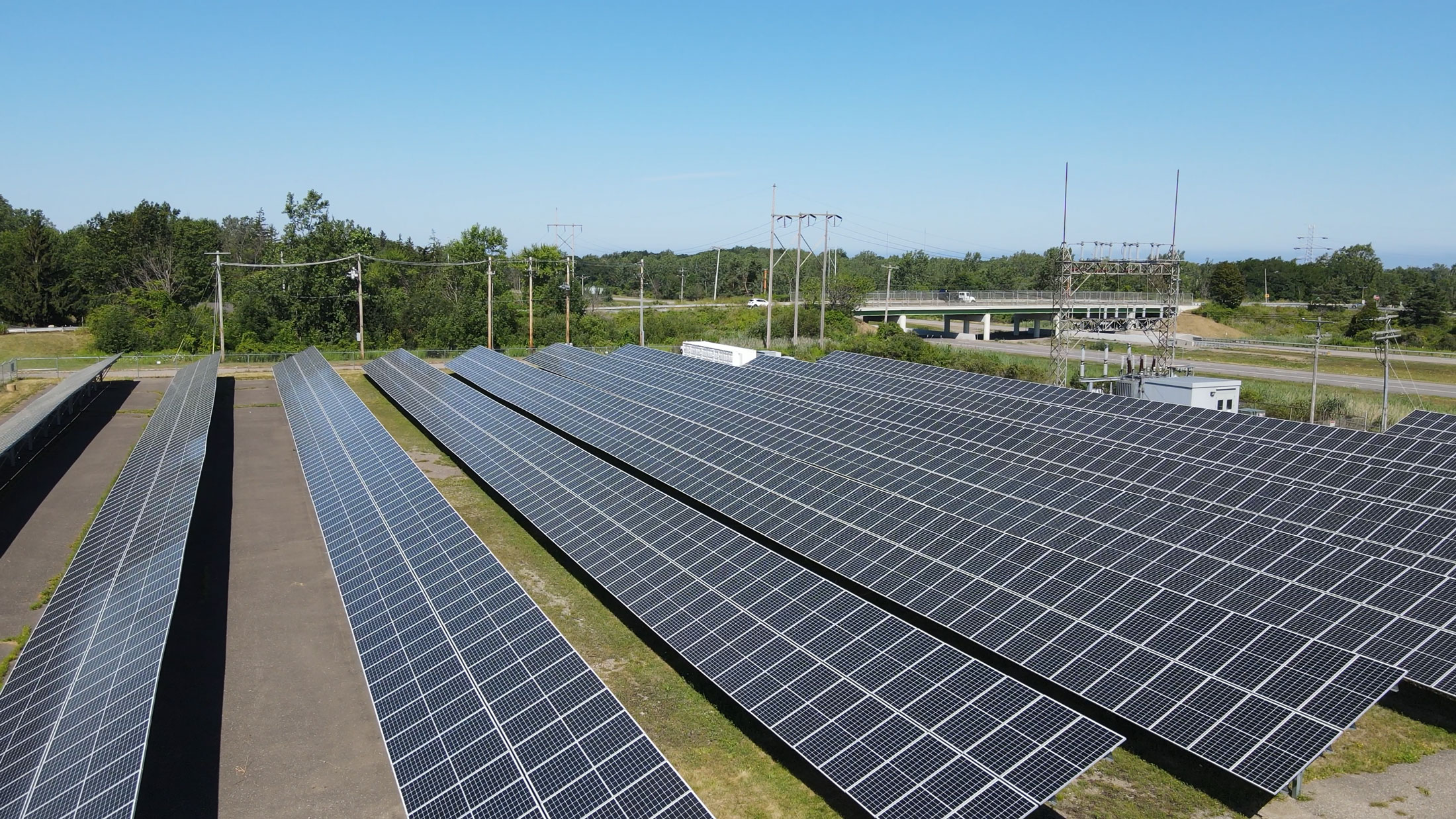
Even as political climates shift, the future of solar power in the U.S. looks bright — the technology is hitting new milestones and remains the leading source of new power production. Both Solar and battery storage made up 91% of all new electricity-generating capacity as of June 10th, 2026.
The U.S. added 7.8 gigawatts of new solar capacity in the first half of 2026, resulting in 6 million cumulative installations. Home and business owners alike are seeking solar for energy security due to global gas supply expense and disruption. Utility-scale solar has also seen a dramatic increase in development due to the new AI-driven electricity demand.
As extreme weather events continue to put additional pressure on power systems, solar power is developing into a critical tool for improving grid resilience. States with greater solar adoption are often better prepared to manage the impacts of extreme weather on the electricity grid. Extreme heat can strain the power grid as residents turn on their AC units to keep cool. This leads to soaring electricity demand, often overwhelming the grid and causing blackouts. Extreme heat can also reduce the efficiency of power plants, causing aging equipment to fail.
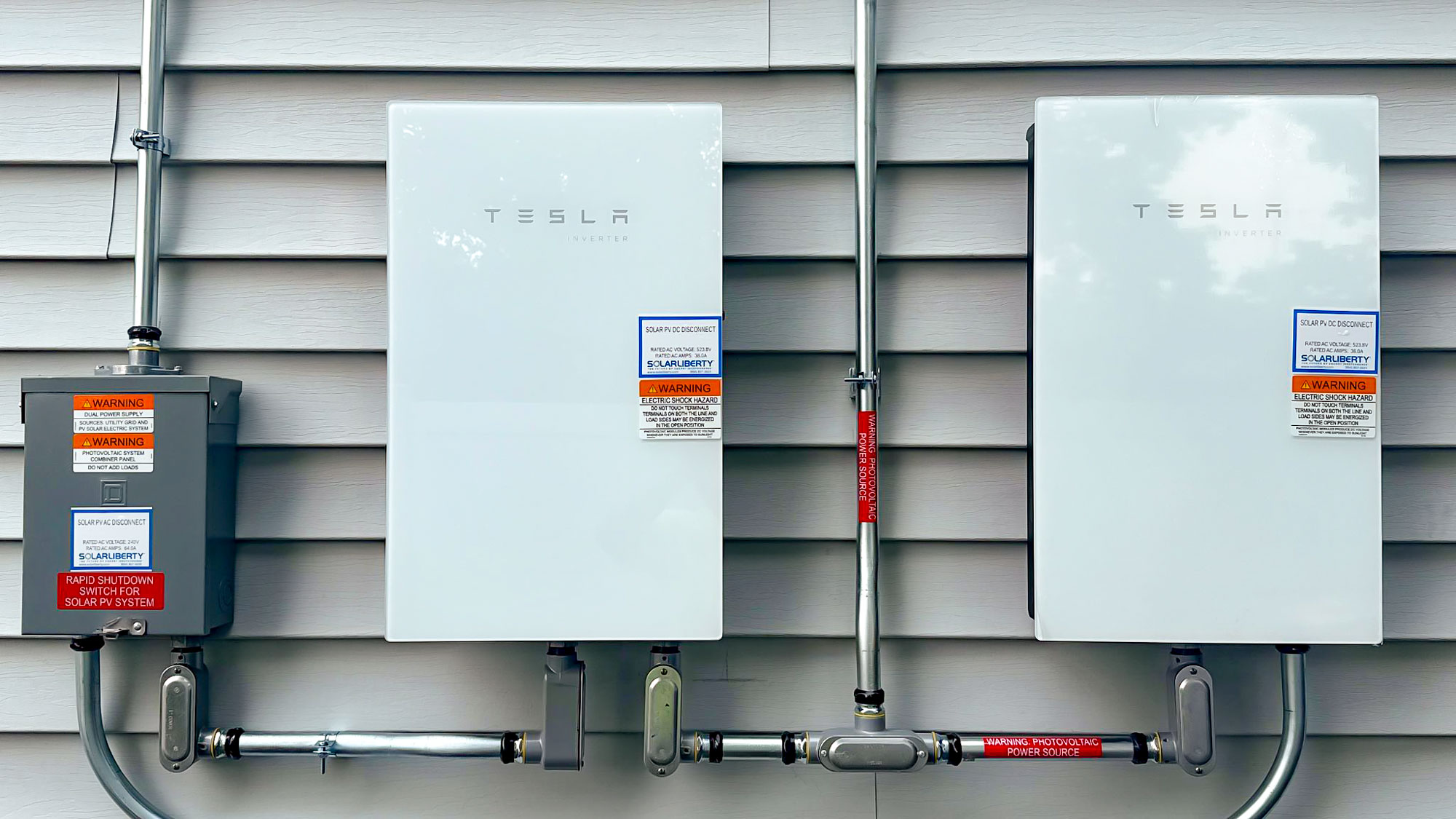
If the grid isn’t functioning, there’s more demand for power than supply; utility companies leave customers with blackouts or ask them to reduce power usage. Adding solar coupled with battery storage can reduce pressure on power plants and improve reliability during peak demand periods.
Solar Power Growth in the U.S.
Solar growth is an advantage for the US electricity grid, as it can consistently build new capacity for our existing infrastructure — a key part of the future of solar power here. Currently, the U.S. leads in utility-scale solar deployment. However, SEIA projects that US solar additions may be flat over the next five years due to current permitting legislation. Interconnection timelines have improved slightly, but solar equipment manufacturing timelines continue to delay installation progress.
SEIA forecasts solar additions will stay around 43 GW per year over the next five years, due to structural constraints of the utility grid. Analysts project that demand for grid capacity growth will translate into higher solar procurements in utility expansion planning, especially after 2030.
Solar Manufacturing
As of 2025, the U.S. can now manufacture every major component in the solar supply chain. Since 2022, manufacturers have constructed over 140 new solar and storage facilities, with several more in the construction phase. America has over 70GW of domestic solar manufacturing capacity. At full capacity, manufacturers can produce enough materials to meet all solar demand in the U.S.
The Future of Solar Power At Home
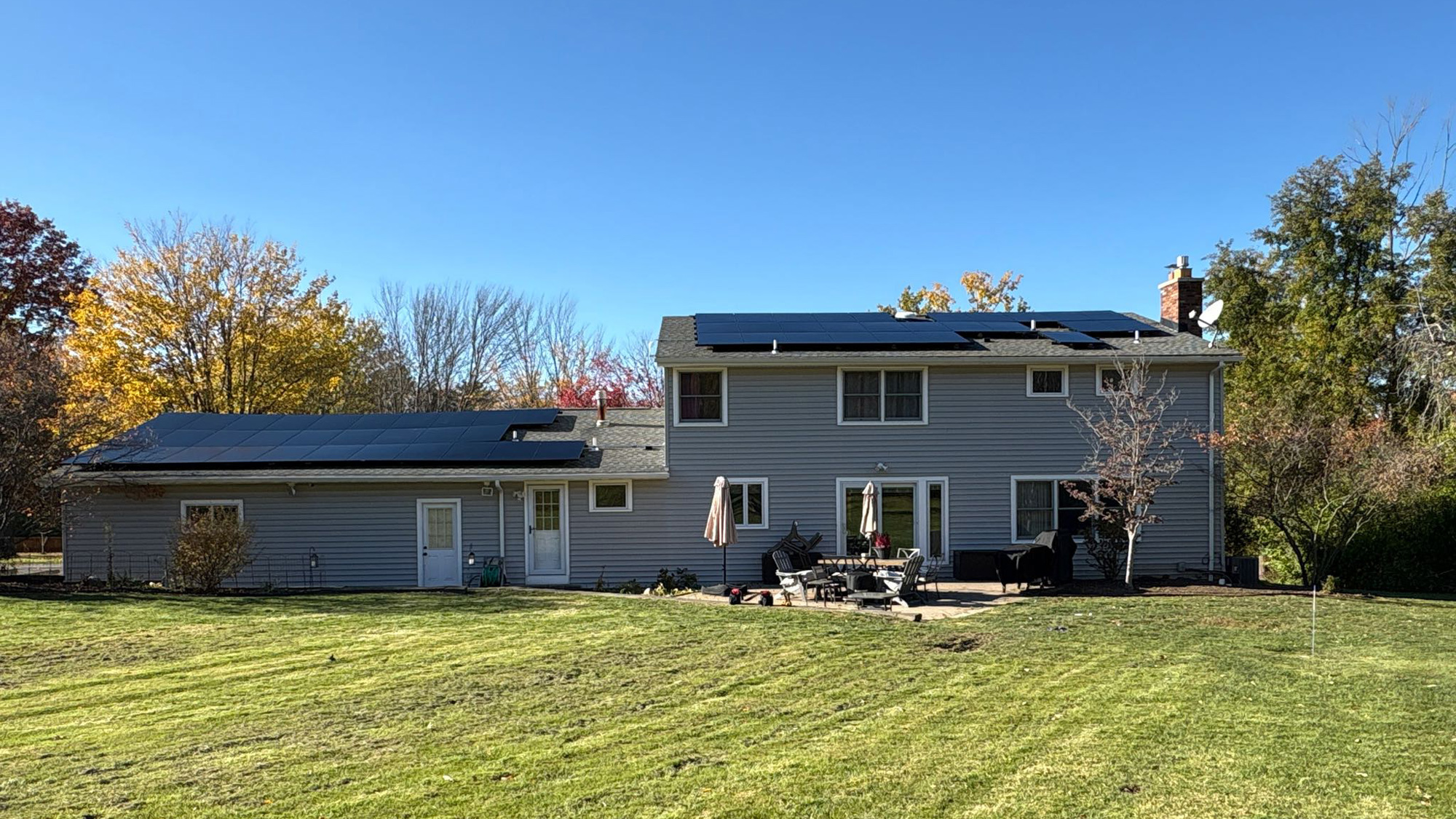
As of December 2025, the residential solar tax credit is no longer available. Solar can still offer homeowners long-term savings and energy independence. As utility rates steadily increase, generating your power through solar is a smart financial move. You can protect yourself from rate hikes while providing consistent savings.
Installing solar panels can also add value to your property. Homes equipped with solar panels and battery storage tend to sell for higher prices.
Get Started with Solar
At Solar Liberty, we have more than 20 years of experience designing and installing commercial, residential, and utility-scale solar systems. As the largest solar installer in New York, we’re committed to being part of the future of solar power in NYS and beyond. We design our systems to withstand the harsh weather conditions that commonly occur throughout the Northeast and Midwest.
Fill out a contact form or call 866-807-3639 to see how we can help you meet your energy needs.