What are Solar Panels Made of?
August 12th, 2026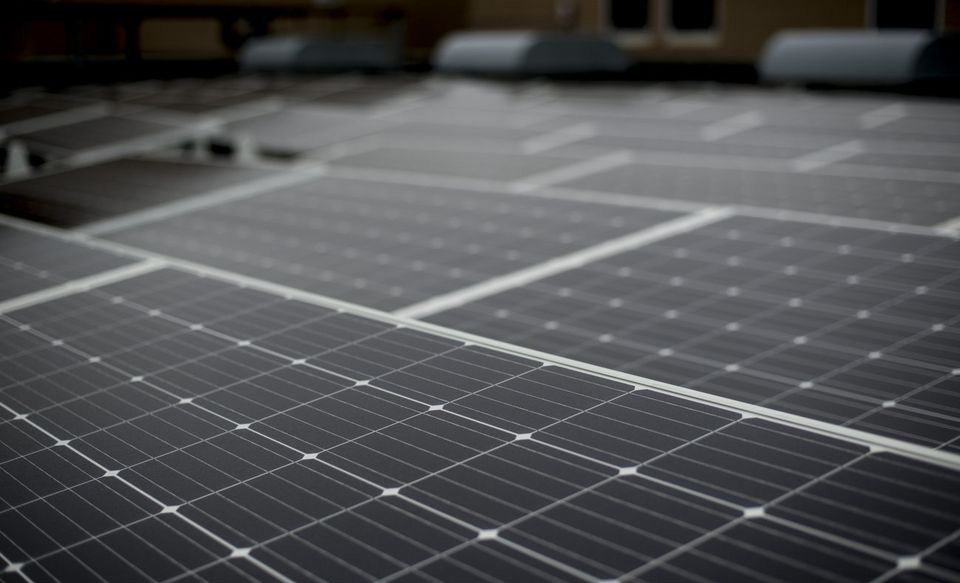
If you’ve ever wondered what are solar panels made of, the answer might surprise you — solar panel manufacturing is surprisingly basic and uses mostly simple, non-toxic components.
Material Breakdown
- Glass – encases silicon cells
- Polymers (EVA) – adhere the silicon to the glass
- Aluminum – used for frames
- Silicon – makes the photovoltaic cells that capture photons from the sun
- Copper – used in conductors and wiring to connect the different cells in the panel
- Silver – highly conductive metal that intercepts the electrons in the silicon, turning them into electricity
Glass Sheets
A tempered glass sheet forms the top layer of a panel, encasing the silicon cells and protecting them from the elements. The glass lets in as much sunlight as possible. Tempered glass is known for its strength and temperature resistance, making it an excellent component for your panels.
Encapsulant
Beneath the glass is a thin layer of polymer that holds everything in place. The polymer seals the panel from moisture and absorbs stress from temperature change. They also provide electrical insulation for the solar cells.
Silicon Solar Cells
Silicon Solar Cells are made from silica, which is what beach sand is made of. Sand is purified into 100% Silica and then made into either polycrystalline or monocrystalline PV cells. The silicon cells capture photons from the sun via the photovoltaic effect, being converted into electricity using silver as a conductor. Each cell is made up of two thin layers, one positively charged and one negatively charged; they work together to create an electric field. When sunlight hits the cell, it knocks electrons loose. That electric field pushes them into motion, creating an electrical current. Small amounts of metals like silver or copper are present, acting as conductors that carry the current out of the cell.
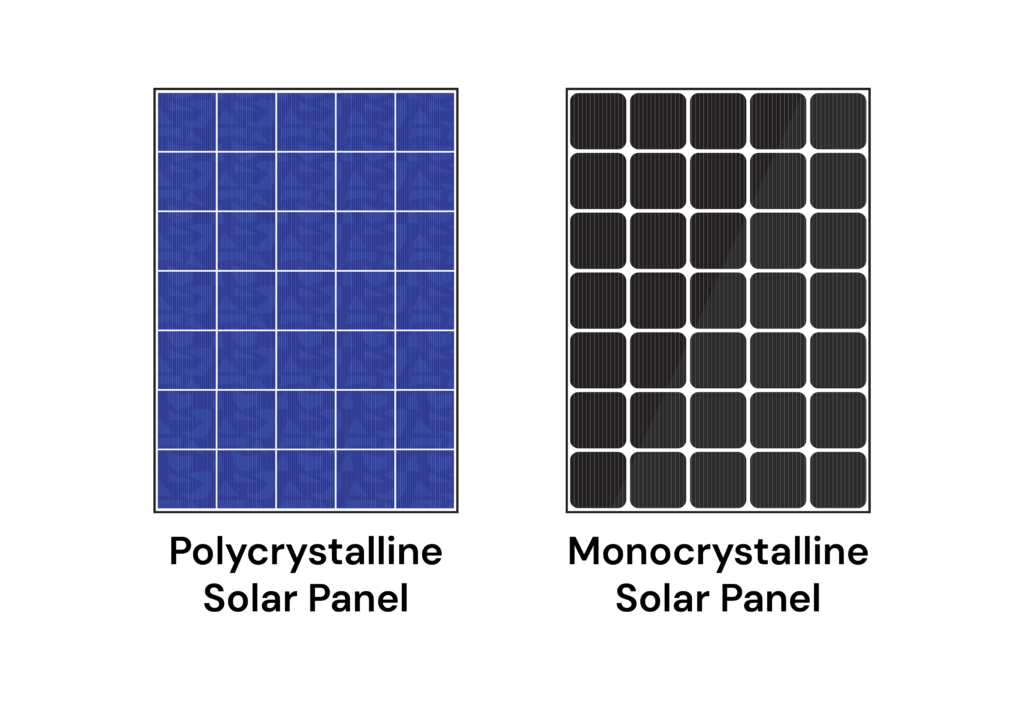
Polycrystalline panels consist of fragments of silicon, melted together to form wafers.
To make cells for monocrystalline panels, manufacturers form silicon into bars and cut it into wafers. Monocrystalline panels are usually more efficient, but come at a higher price point.
Bus Wires
Thin soldered wires connect the individual silicon cells in parallel to carry the electrical current.
Junction Box
A Junction box attaches to the back of a solar panel and protects the wiring. This keeps the electricity flowing in one direction from each panel to its inverter.
Metal Frame
Lastly, a frame holds each module in place and protects the panels from extreme weather conditions. Manufacturers usually configure frames from aluminum due to its anti-rust and lightweight properties. Installers typically mount ground-mounted panels on steel frames and hold them in place with concrete.
Portable solar panels don’t use a rigid frame; they use plastic to make them lightweight.
Built to last
Now that you know what are solar panels made of, it’s easy to see why the combination of all these components working together makes your solar technology reliable. Manufacturers engineer today’s panels to handle a range of environmental conditions while continuing to produce clean energy. The materials and construction define the panel’s long-term performance.
With over 23 years of experience, Solar Liberty is one of the leading providers of residential solar services. If you’re looking to go solar, we can custom-design a system that perfectly meets the energy needs of your home or business. We handle all necessary solar installation services, maintenance, and address any repairs to ensure your solar system continues to work efficiently for many years to come.
To schedule a consultation with one of our experts, request an appointment online or call us at 866-807-3639.