What to Consider Before Installing Solar Panels
September 29th, 2026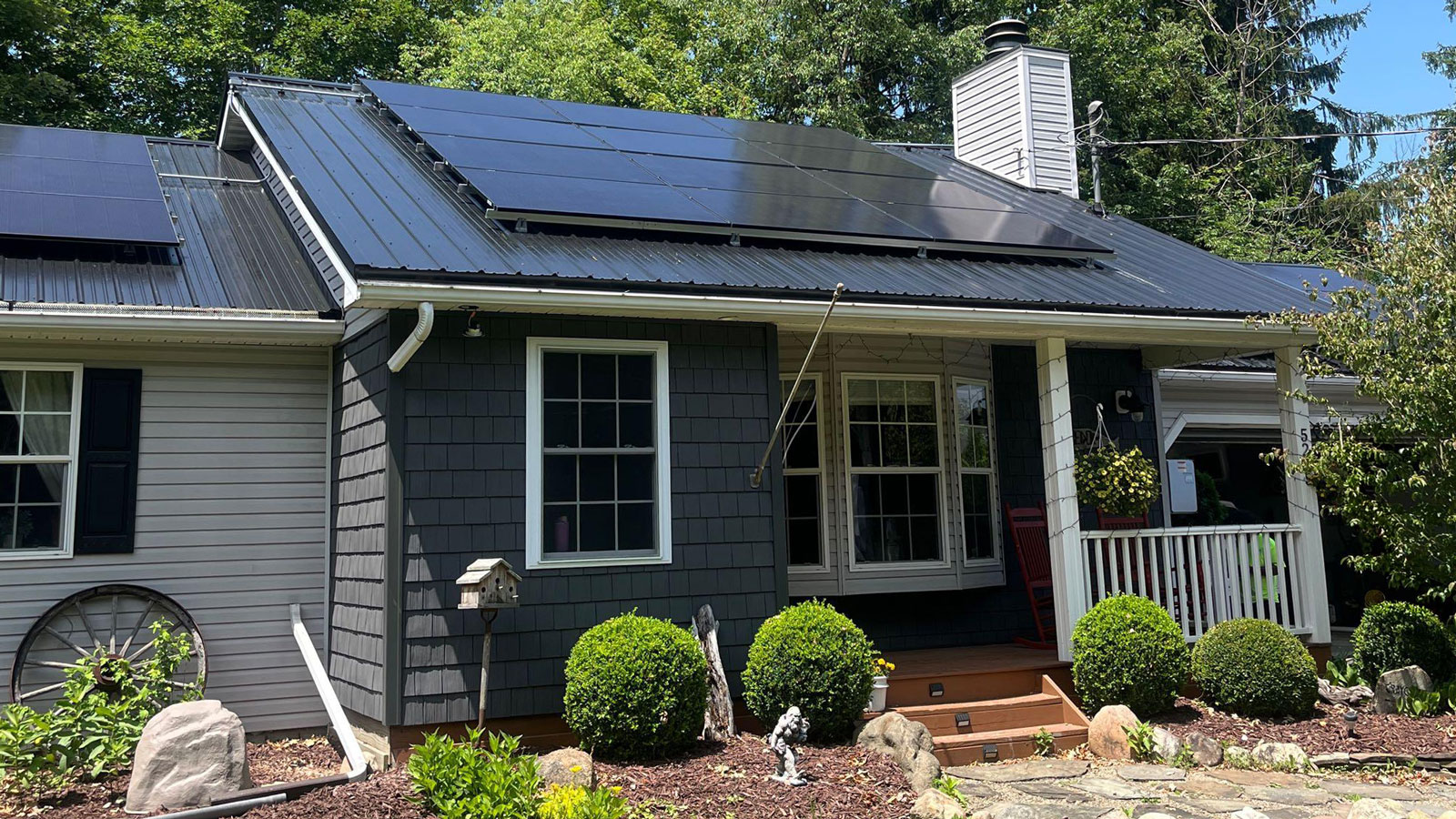
Thinking about going solar? As energy costs continue to rise, now is a great time to make the switch to solar. Factors to consider before installing solar panels and making the switch:
- Your Home’s Energy usage – how much electricity does your household use each month?
- The type, age, and quality of your roofing
- Your roof’s slope and size – these aspects dictate how many panels you can fit and how efficient the system will be
- How much direct sunlight your home receives
- What are the financial benefits of switching to solar?
What are your Energy Goals?
Every household has different energy needs. Ask yourself the following to assess your goals:
- How much energy do I need my solar panels to produce?
- Do I want it to cover my home’s entire electric needs?
- Do I want to store excess solar energy for later usage?
- Am I adding new electric appliances, electric vehicles, or plan on installing a pool/hot tub?
Your answers to these questions will dictate the size and type of system that fits your home’s needs. Remember to think ahead and plan for future energy reliant purchases. You can develop estimates of the performance of potential PV installations through The National Renewable Energy Laboratory PVWatts tool to get a head start. For an accurate custom estimate, make sure to work with a professional solar installer in your state.
Roof Quality
Before considering solar, think about the current age and condition of your roof. Most standard asphalt shingle roofs need to be replaced at the 20–25-year mark. If your roof is aged/weathered investing in a new roof before installing solar can save you from uninstalling your system in the future.
Some rooftops may not be suitable for solar due to age or tree cover. If there are structures or trees near your home that create shade on your roof a ground mounted system may be better suited for your property.
Types of Roofing:
Asphalt
This is the most common type of shingle used on residential roofs. Asphalt is one of the most compatible materials for solar panels since the shingles are both flexible and durable.
Flat Roof
A flat roof can handle solar panels just as well as a sloped one. They can even provide more design flexibility than their sloped counterparts and no penetration into the roof itself.
Metal
If your metal roof has standing seams, it is one of the best candidates for solar panels because it can use clamps instead of drilling to attach them. But even if your metal roof doesn’t have standing seams, it can still handle solar panels thanks to some creative designs that are secure and streamlined.
Tile Roofs
Installing solar panels on a tile roof will generally cost you more money and require a more intense installation process since the tiles must be removed to make room for mounting brackets.
Solar panels perform best on south-facing roofs with a slope between 15 and 40 degrees. A solar professional can help you determine the suitability of your roof for solar. Solar Liberty offers a free solar evaluation and will help you determine the best installation for your home.
Financing
Solar Liberty offers several financing options to make your solar power system more affordable than ever. Your first month of generating solar power can be net positive when you defer the cost of the solar panel installation over time. With good credit terms, your loan payments will be less than the value of the electricity generated. If you are building a new home, you can bundle the cost of the solar energy system into your mortgage.
Schedule with Solar Liberty
Are you ready to upgrade your home energy to solar? Call Solar Liberty today to find out how our residential services can help save you money and reduce your carbon footprint or contact us online.