What Are The Main Components of A Solar Power System?
August 5th, 2026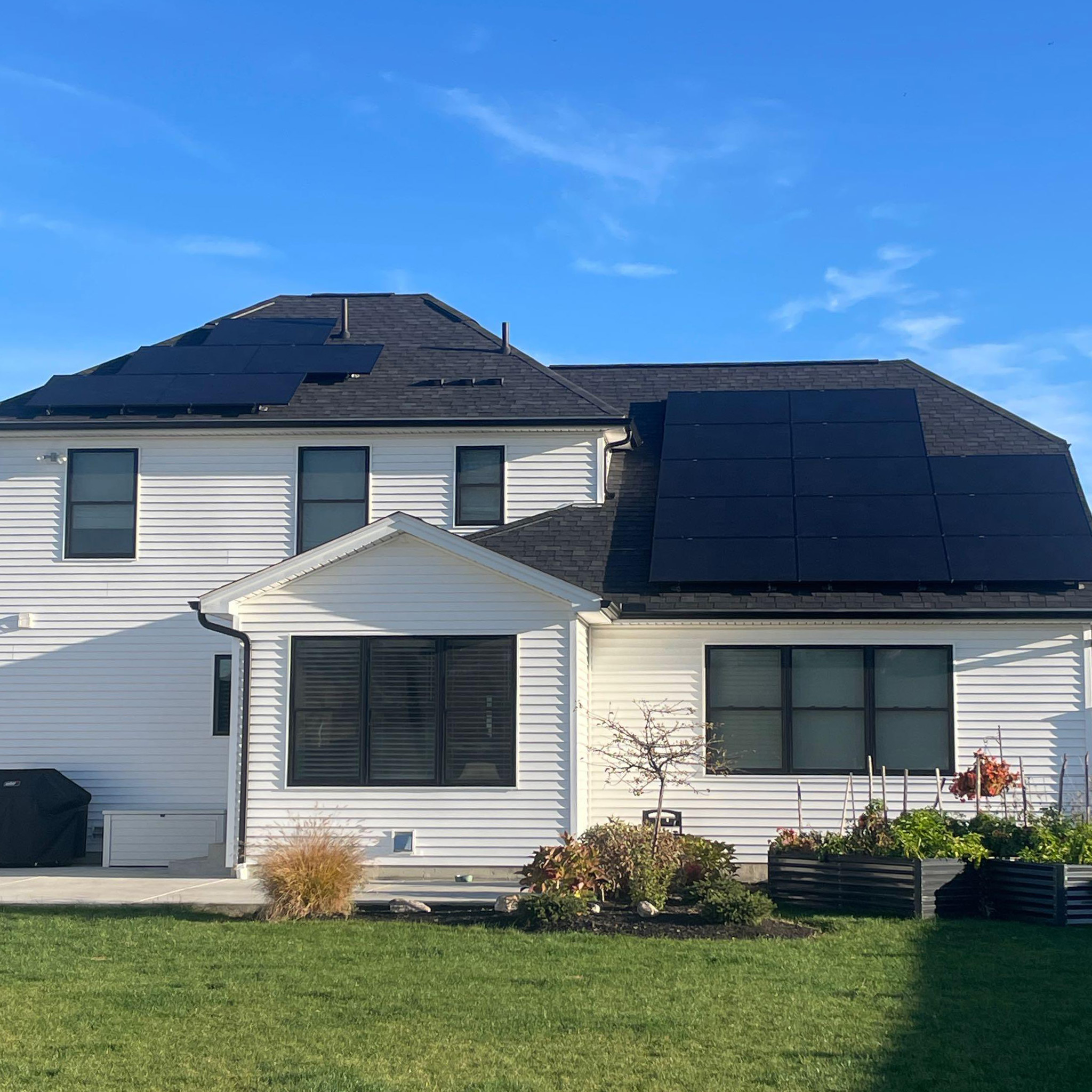
Every solar power system is built from the same few components:
- Solar Panels
- Inverters
- Racking (Mounting system)
- Batteries
- Monitoring System
Solar Panels
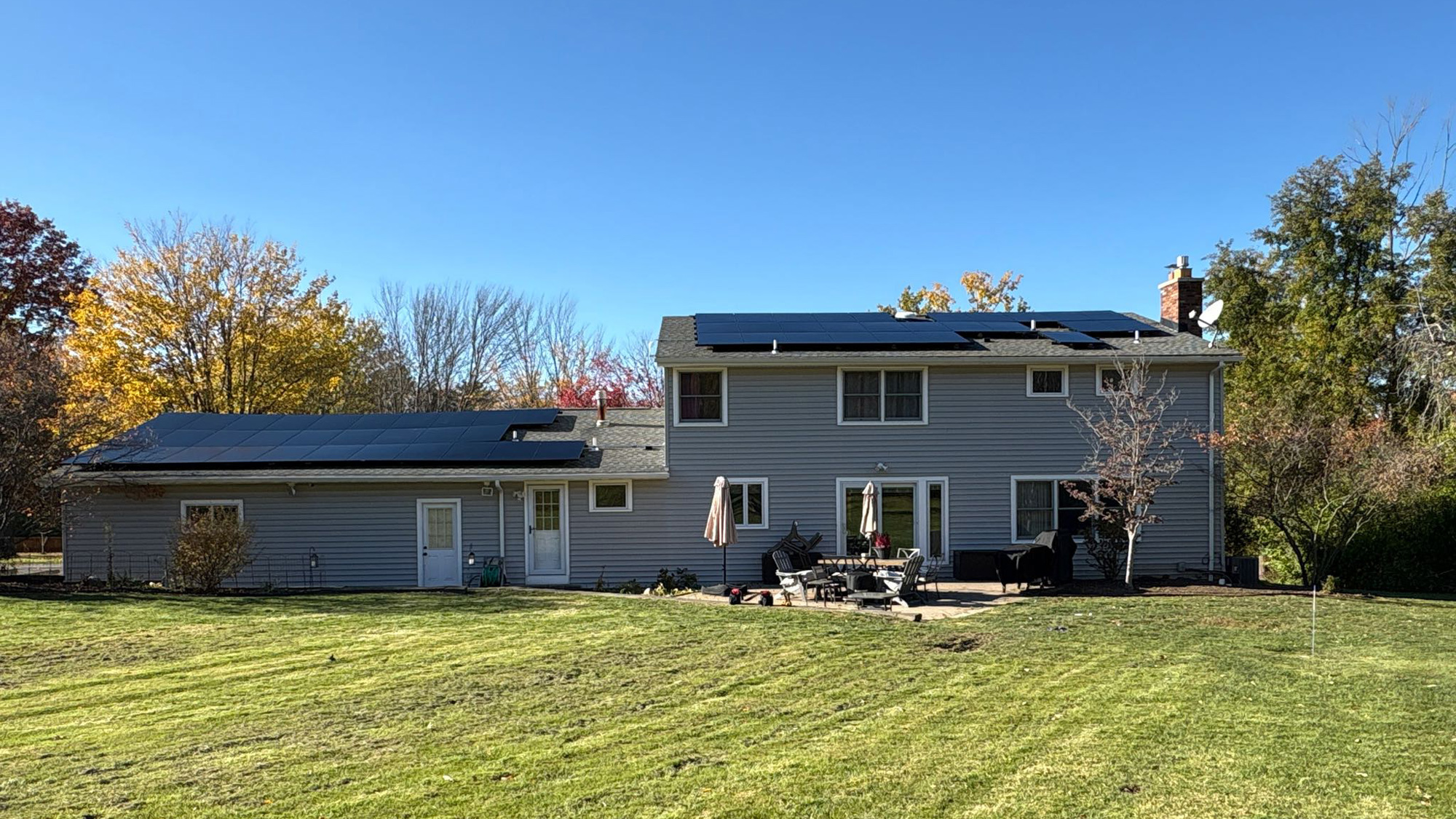
Solar panels are one of the most essential solar power components, and the most visible part of a home solar power system. Mounted on your roof or the ground, panels capture sunlight and convert it into usable electricity. Panels come in several different types, including monocrystalline, polycrystalline, and thin film.
Traditional rooftop installers gravitate towards using monocrystalline panels as they are the most efficient and the industry standard. Polycrystalline panels were once the cheaper option, but they have been phased out of newer residential installs as monocrystalline prices drop.
Thin-film panels are best for portable systems on RVs or commercial roofs with weight limits.
Inverters
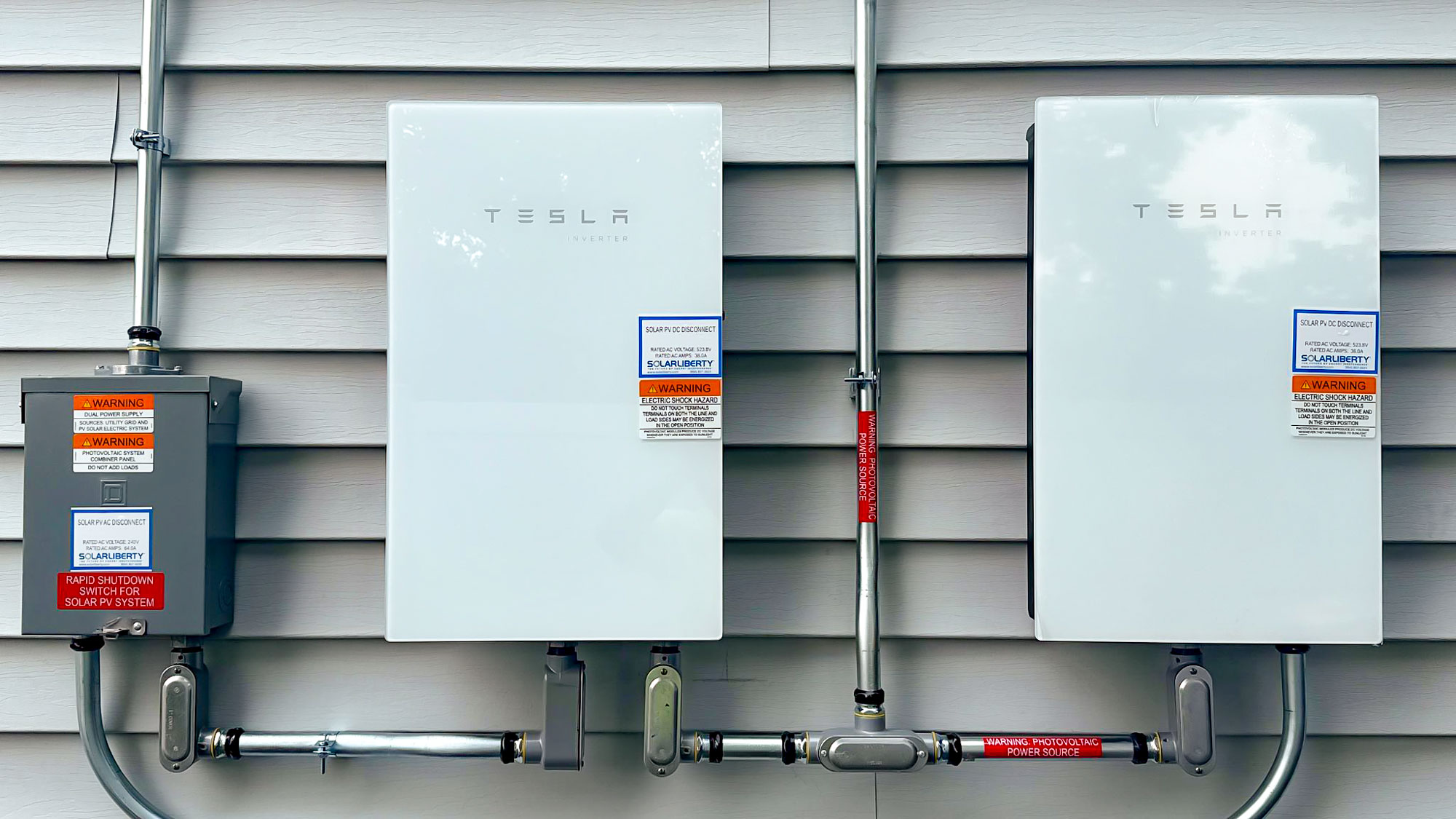
Your home’s wiring conducts alternating current (AC) power, but solar panels initially produce direct current (DC) electricity. Inverters convert the raw DC power into AC power for household use. Installers can use string inverters, microinverters, and power optimizers depending on system needs.
String inverters are the standard and most affordable option. One central inverter handles the whole system. They work best for installations with panels facing the same direction or without potential shade from trees or other infrastructure. However, if one panel in the system becomes damaged or shaded, the overall production of your system decreases.
Microinverters are small units that installers build into each solar panel, allowing each panel the ability to function independently from its neighbors. Even if the panel next to it is shaded for most of the day, the other panels can convert at full capacity. You can also monitor the performance of each panel. This makes it easier to spot issues with individual panels.
Microinverters can be more expensive up front, but your system will gain more power throughout its lifetime. Plus, they make it easy for you to increase your system’s power usage with additional panels compared to scaling a string inverter system.
Power optimizers condition and optimize DC power from each panel before sending it to one string inverter for power conversion. This gives you some of the per-panel performance benefits of microinverters.
Racking
Installers need to securely attach solar panels to your roof or to a ground-based structure. The mounting system ensures panels stay positioned for optimal sun exposure.
A roof mount is the most common type of installation. The solar racking is installed directly on the roof, and can attach panels to flat or sloping surfaces. Not all roof systems require penetration to be secured. If you have a flat roof, a ballast mount is an option. These installs are secured by blocks that weigh the system down.
Ground mounts attach panels to a racking structure anchored to the ground with metal posts. They can go anywhere conditions are best for solar exposure, making them a good alternative for homeowners without a usable roof.
Battery Storage
Battery storage is one of the optional, but beneficial, solar power components for homeowners. A battery stores excess energy your panels produce during the day so you can use it at night or during a power outage, increasing your energy independence and reliability.
Solar Monitoring
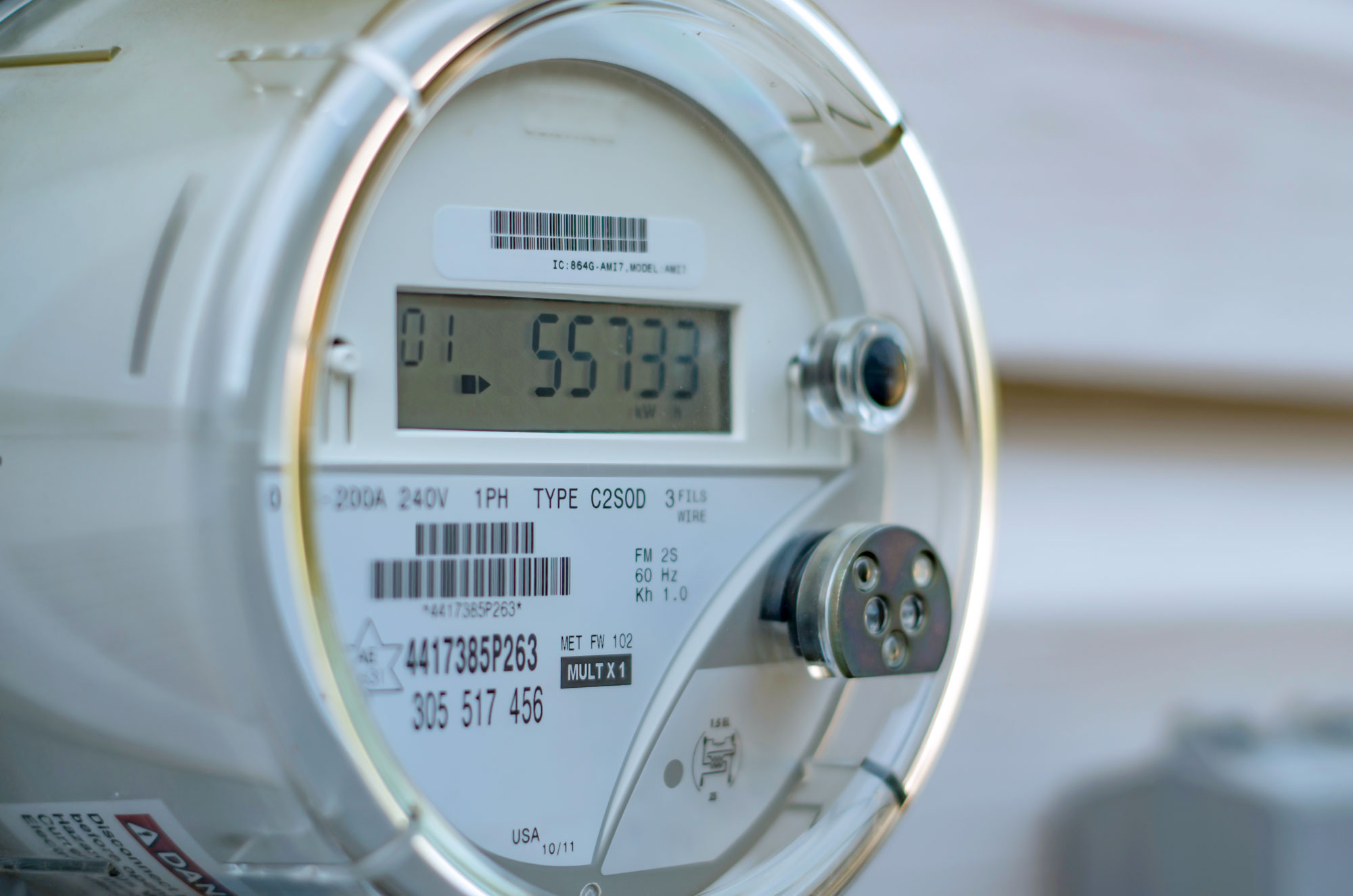
Lastly, most modern solar systems include monitoring capabilities, allowing the user to track energy production, usage, and system performance through an app. Sensors and data loggers stream real-time numbers including voltage, current, and temperature to a dashboard. Systems will flag issues with string or panel drop-outs, inverter errors, communication failures, etc. Solar monitoring helps find and fix potential malfunctions before they have a big impact on your solar production.
Choosing the Right Solar Power Components for Your Home
The best way to figure out what makes sense for your home is to work with an experienced local installer who can walk you through the trade-offs and design a system tailored to your specific roof and energy needs.
With decades of experience and thousands of installations across New York and the Northeast, Solar Liberty is your trusted partner for safe, professional solar energy solutions.
Contact us today to schedule a free consultation and learn how easy it is to power your home with clean, renewable energy!